
August marks the peak of the summer holiday season when much of Europe slows down, and travellers set off for their well-deserved annual break. Among the Mediterranean’s flagship destinations, Corsica stands out for its remarkable versatility, combining unspoilt landscapes, an interesting culture, and a wide range of outdoor activities.
But is the ‘Island of Beauty’ too hot to visit in August? Not necessarily. In fact, it can be a great choice if you want to avoid the more oppressive swelter of southern Spain, Greece, or Italy, yet still enjoy consistent sunshine during the height of summer.
Daytime temperatures typically hover around 30°C (86°F), with occasional heatwaves. However, Corsica’s soaring mountains are never far away, providing a welcome escape with fresher air and nighttime temperatures as low as 15°C (59°F). Along the coast, an ever-present breeze helps moderate the heat, and the refreshing northwesterly Mistral is a frequent feature.
August is ideal for water-based activities, whether on Corsica’s glorious beaches or in its cool mountain rivers shaded by greenery. That said, it’s not the best time for demanding hikes in exposed areas, where sunlight can be intense.
This page contains affiliate links meaning I get a commission if you decide to make a purchase through my links, at no extra cost to you. Click here to learn more.
PLANNING A TRIP TO CORSICA? CHECK OUT THESE RESOURCES!
CORSICA WEATHER IN AUGUST
Average daily temperature – In early August, daytime temperatures typically range from 28°C (82°F) to 32°C (90°F). Short heatwaves can push temperatures up to 36-38°C (97-100°F), but these usually last only a few days, rarely exceeding a week. Toward the end of the month, temperatures often ease below 30°C (86°F), and the sun feels less intense. As a mountainous island, Corsica benefits from a range of microclimates. Higher-altitude areas are characterised by alpine climate conditions, where temperatures are typically 8–10°C (14–18°F) cooler than along the coast.
Night temperature – Nighttime temperatures generally stay between 18°C and 25°C (64-77°F), especially when warm air masses arrive from the south. In mountainous regions, nights are noticeably cooler than on the coast.
Monthly rainfall – August is the second driest month in Corsica after July, with an average of just 16 mm of rain. When it does rain, it is usually concentrated in the mountainous interior or occurs as sudden, intense storms. Summer downpours can lead to flash floods in river valleys.
Winds – Corsica’s island setting ensures a consistent cooling breeze, especially along the coast, which helps make the August heat much more bearable. The northwesterly Mistral often affects areas such as Balagne, Cap Corse, and the west coast, bringing clearer, fresher air. In contrast, the Sirocco occasionally blows in from the south, carrying hot air and fine red sand from the Sahara.
Storms – Sudden thunderstorms are common in August, typically forming in the early afternoon over mountainous areas. They can bring heavy rain, lightning, and rapidly rising water levels in rivers, creating a risk of flash floods.
> Where to stay in Corsica – best areas and places for your visit
SEA TEMPERATURE IN AUGUST
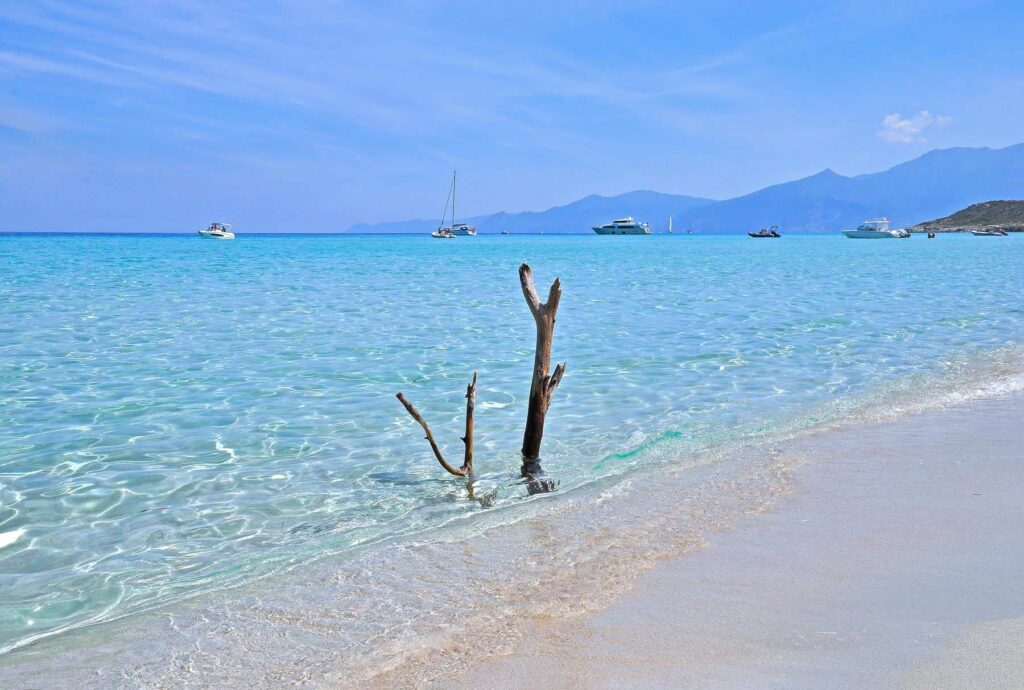
Sea temperatures in August reach their peak, averaging around 26°C (79°F). It’s the ideal time for beach days and water activities, with warm, comfortable conditions for swimming. Families with children, water sports enthusiasts, and snorkelling fans will find excellent conditions along the 1000-kilometre coastline.
Although the sea is pleasantly warm across the island, the east coast tends to have slightly higher water temperatures than the west. If you’re looking for a refreshing break from the summer heat, the western shores will provide a bit cooler, more invigorating swim.
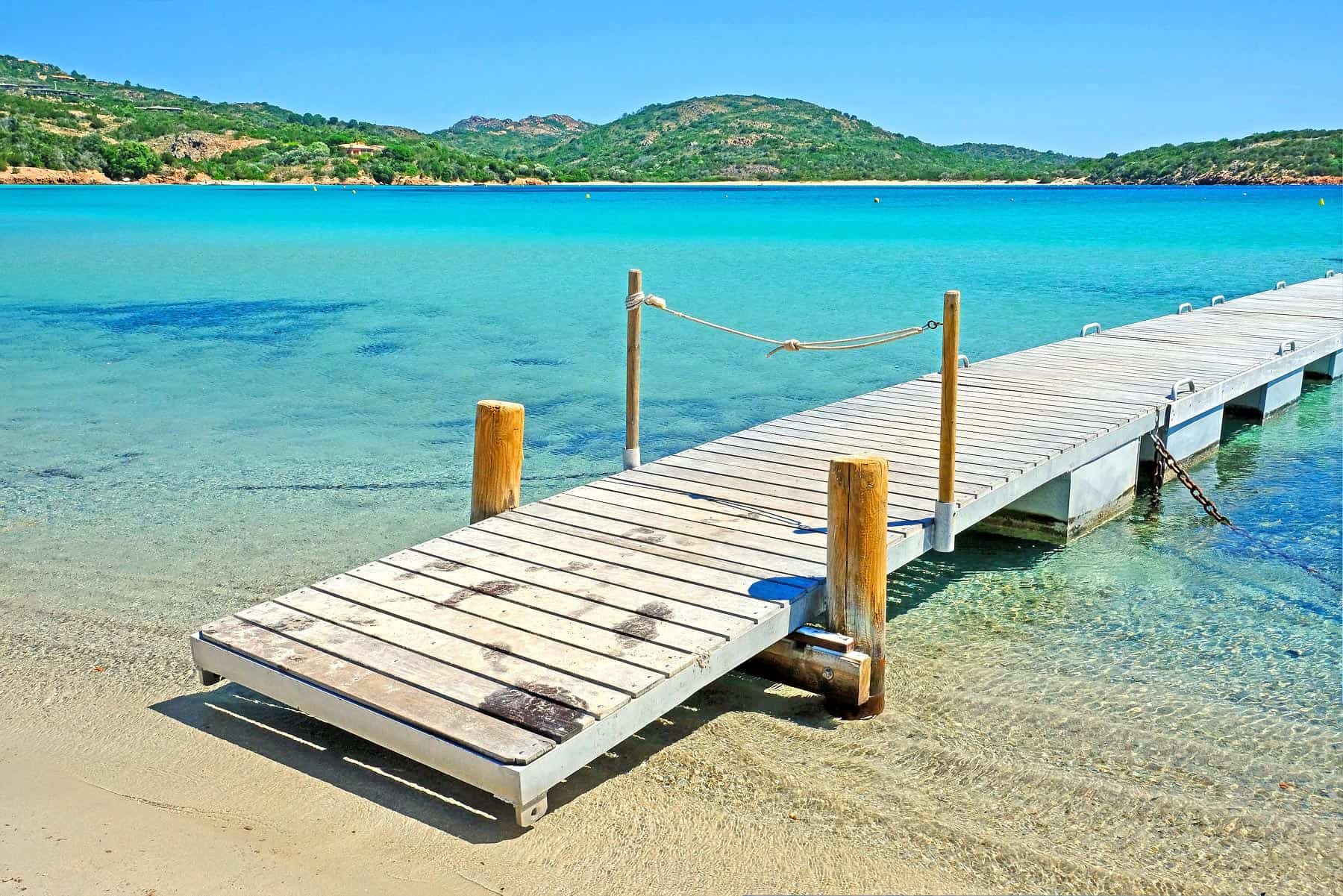
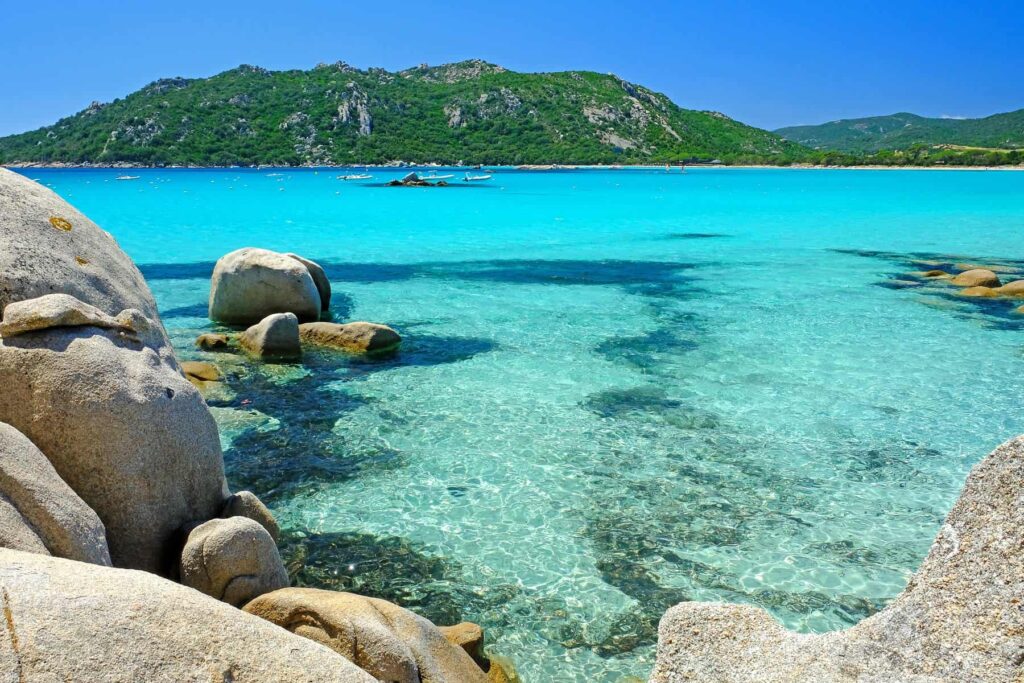
Corsica is an outstanding beach destination, known for some of the most beautiful coastal spots in the Mediterranean- expect clear turquoise waters and soft white sand. The most cherished beaches with worldwide acclaim include Palombaggia, Santa Giulia, Rondinara, Saleccia, Cupabia, and Roccapina, each with its own appeal, from shallow, family-friendly lagoons to more secluded coves ideal for exploring marine life.
> 15 Best beaches in Corsica for lovers of sea, sun and sand
RIVER WATER TEMPERATURES IN AUGUST
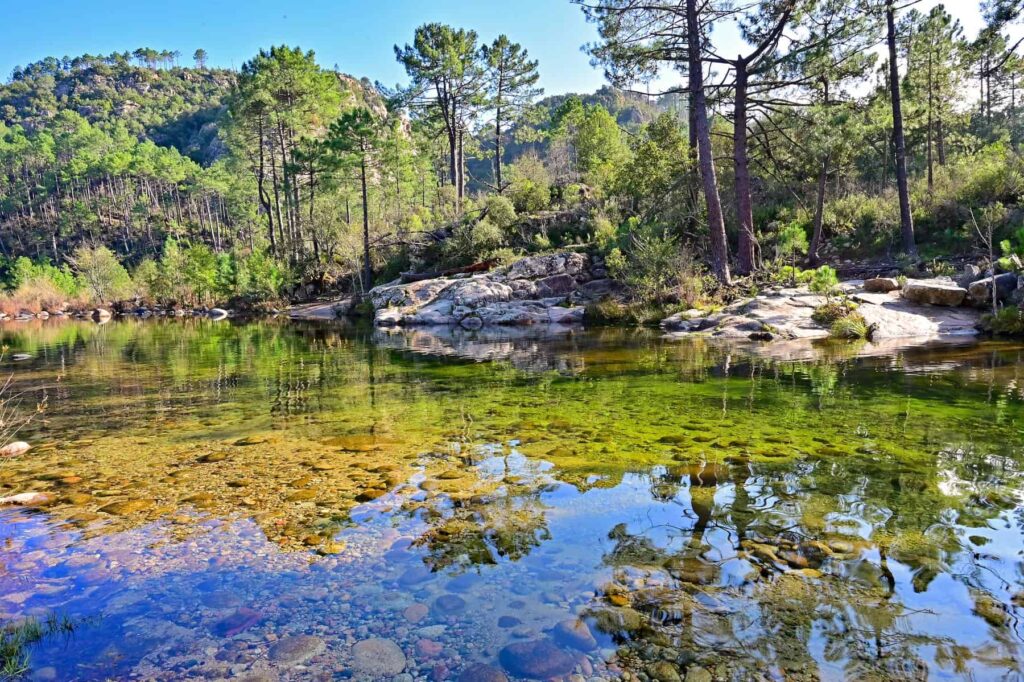
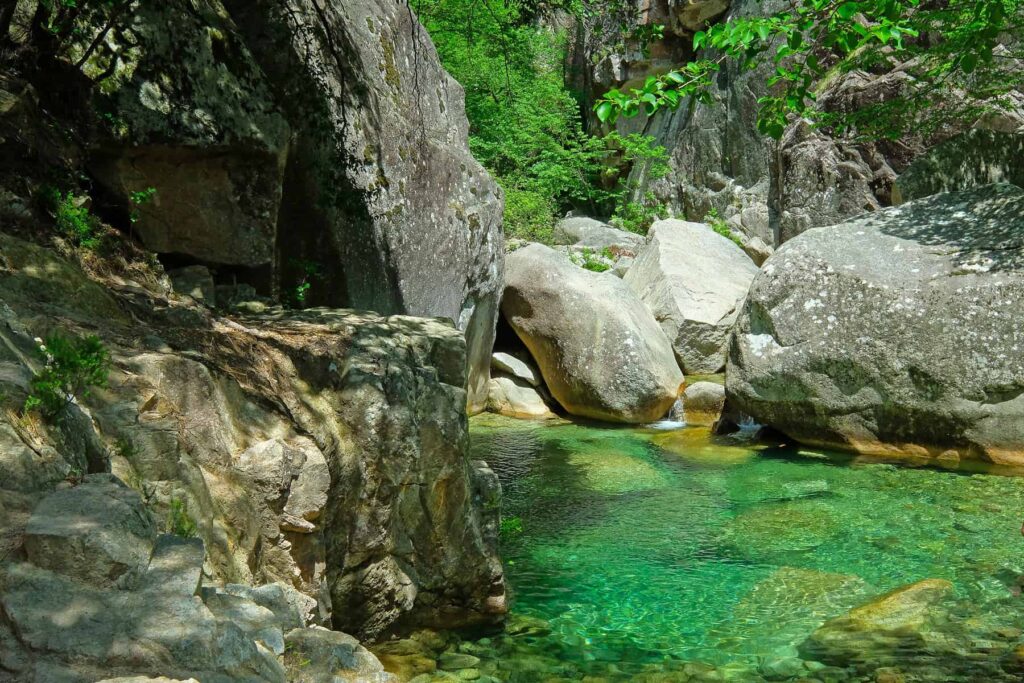
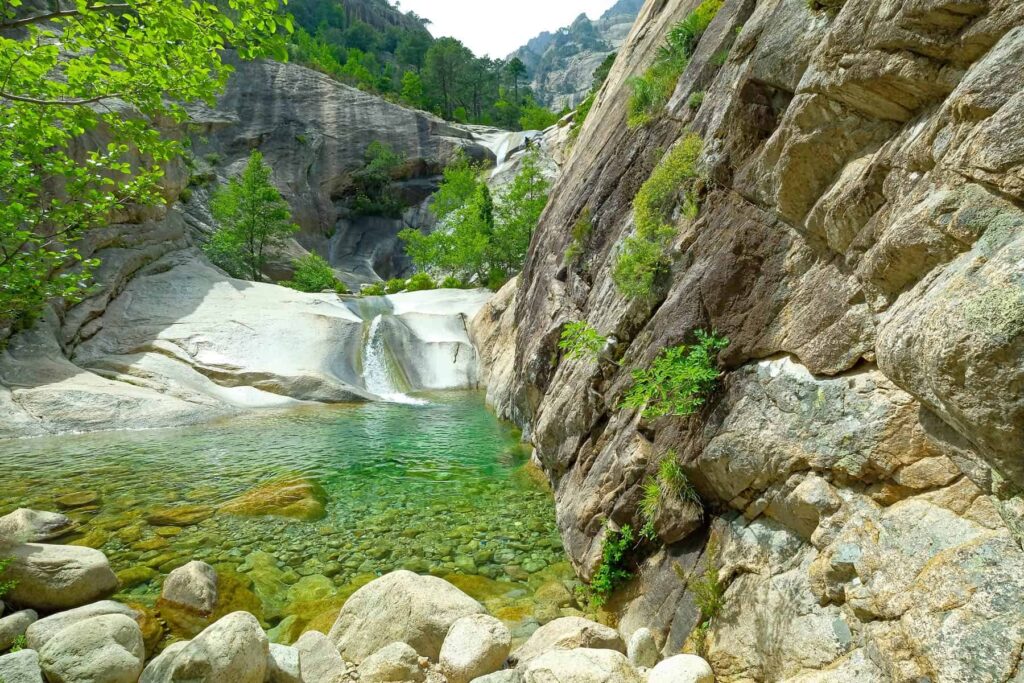
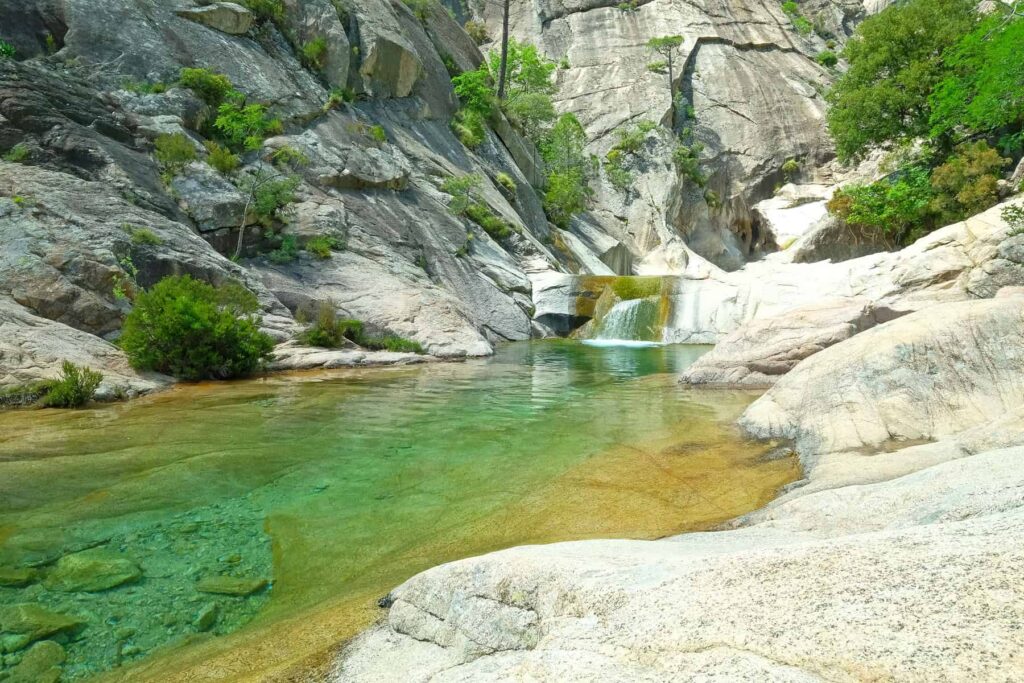
Corsica’s wild rivers are a major highlight for visitors, offering an aquatic paradise of emerald pools, waterfalls, and unspoilt scenery. Despite the summer heat, the island’s lush valleys remain green and vibrant. August is an excellent time to explore these natural hideaways, with water temperatures mostly warm enough for bathing.
Each torrent has its own character, but all provide great opportunities for outdoor activities and revitalising dips. Valleys such as Fango, Cavu, Vecchio, and Solenzara have pleasantly warm water suitable for comfortable swimming. In contrast, the Restonica, Tavignano, and Taravo rivers are cooler and more refreshing, while Figarella in the Balagne and Asco remain distinctly cold at around 15° (59°F)- ideal for cooling off on the hottest days.
> 7 Magical waterfalls in Corsica every nature lover should see
CORSICA’S COASTAL AREAS IN AUGUST
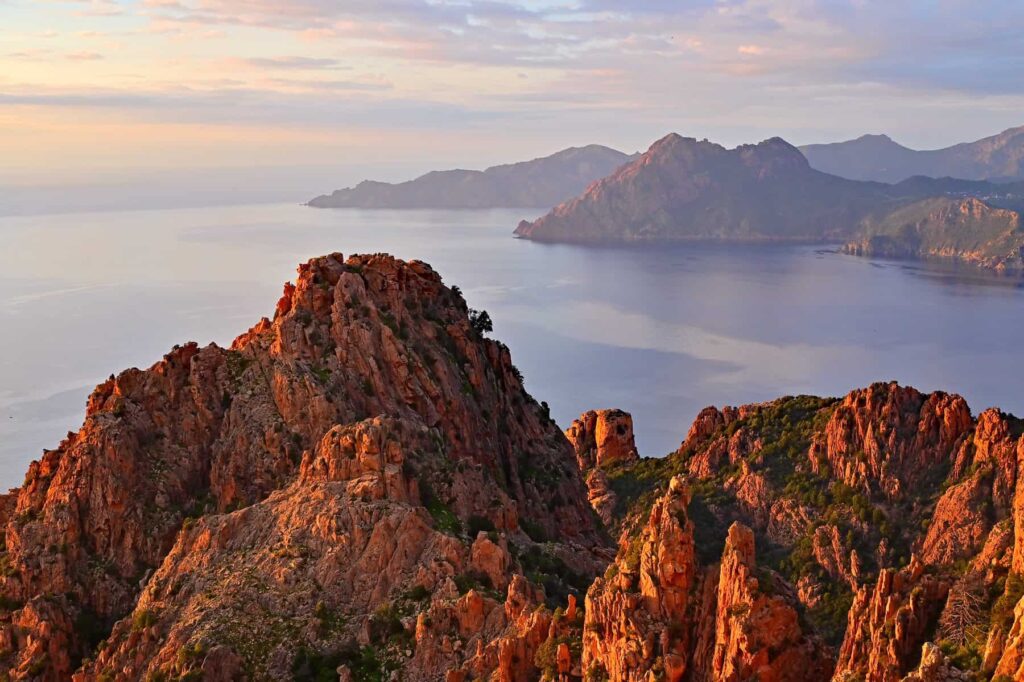
If you choose to stay in Corsica’s coastal areas in August, you’ll benefit from a refreshing maritime breeze that typically picks up around 9 am. It acts like natural air conditioning, keeping temperatures more comfortable even during the hottest part of the day.
In the evening, the airflow shifts. As the land cools faster than the sea, warm air above the Mediterranean rises and draws colder masses down from the inland mountains toward the coast. This natural circulation helps reduce humidity and leaves the air feeling fresher overnight.
USEFUL TIP – Check the weather forecast before heading out on a boat trip. In very windy conditions, services may be suspended, and your tour will usually be refunded or rescheduled.
> Top-rated Corsica tours and activities to enjoy this season
CORSICA’S MOUNTAINS IN AUGUST
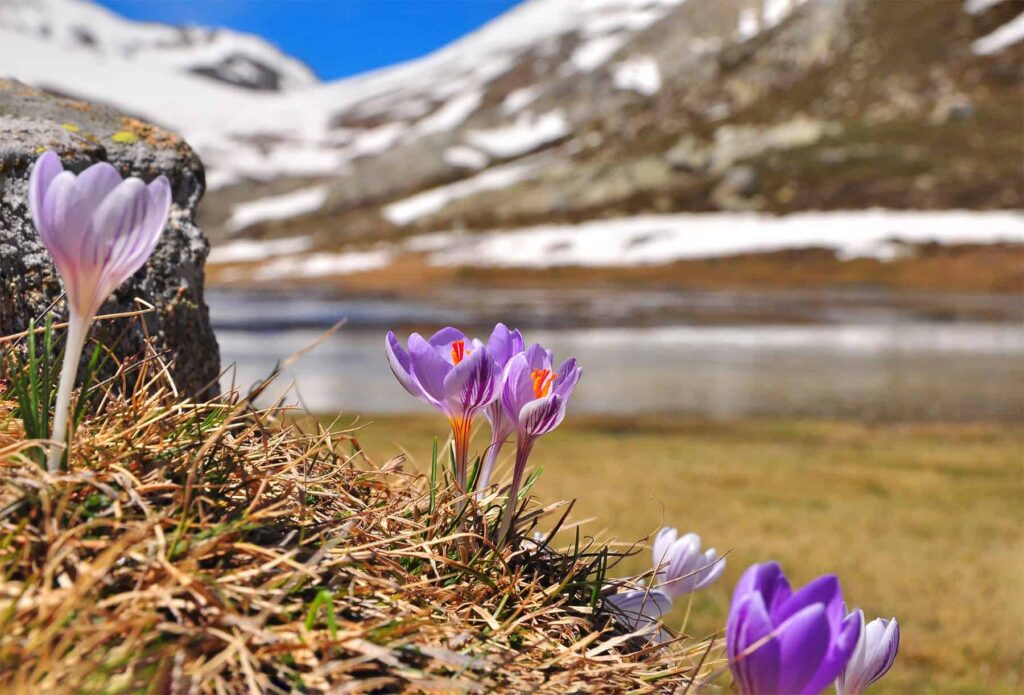
I will risk saying that Corsica’s towering mountains are often the best place to be in August. With peaks soaring above 2000 metres, these protected areas form a tranquil retreat shaded by ancient forests, providing much-needed relief from the heat. While sea-level beaches can feel hot at 35°C (95°F), temperatures drop by about 6.5°C for every 1000 metres of altitude- drive up to Col de Vizzavona, Bavella or Asco, and you’ll find a far more comfortable 28°C (83°F).
Instead of swimming in the sun-warmed sea, the mountains give you access to freshwater rivers, gorges, and waterfalls fed by high-altitude springs and snowmelt. Emerald pools with crystalline water stay refreshingly cool throughout the summer.
That said, mountainous inland areas can experience sudden cold gusts year-round, especially in valley couloirs and high passes, which can make exploration and sightseeing more challenging. As a rule of thumb, keep windproof clothing in your car when exploring the highlands, and be ready to protect your head and torso with breathable, resistant fabric.
> Route de Bavella – the most beautiful mountain drive in Corsica
CORSICAN TOWNS IN AUGUST
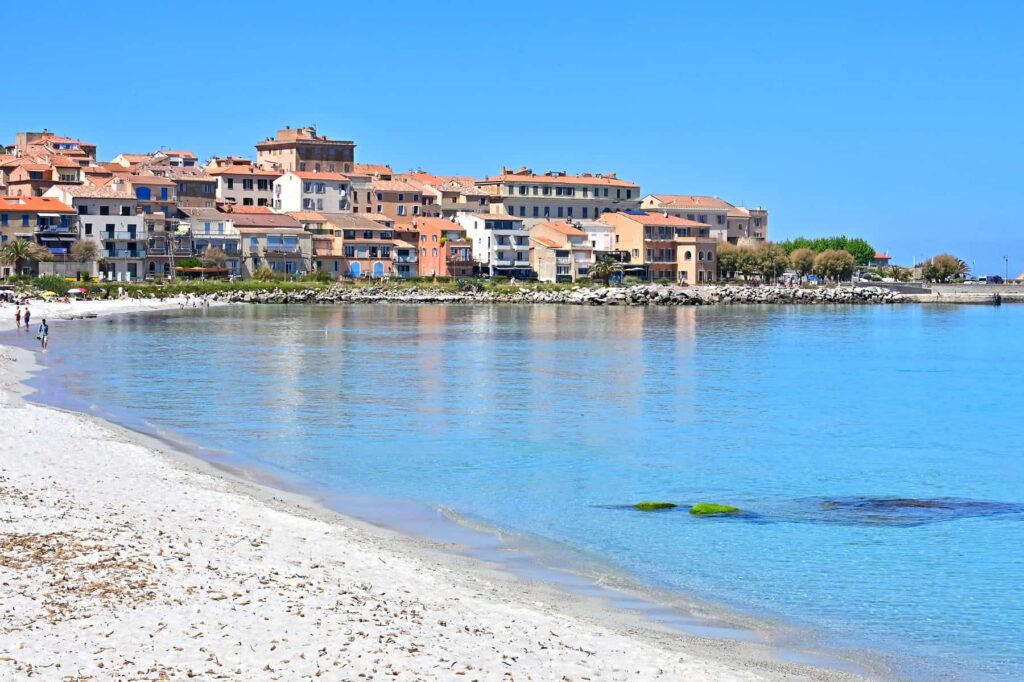
In August, Corsica is buzzing with vacation energy, ready for visitors- all attractions, museums, and facilities are fully available. Inevitably, you will deal with bigger crowds and high temperatures during peak season. But exploring Corsica’s towns and villages is much more manageable than in many other Mediterranean destinations.
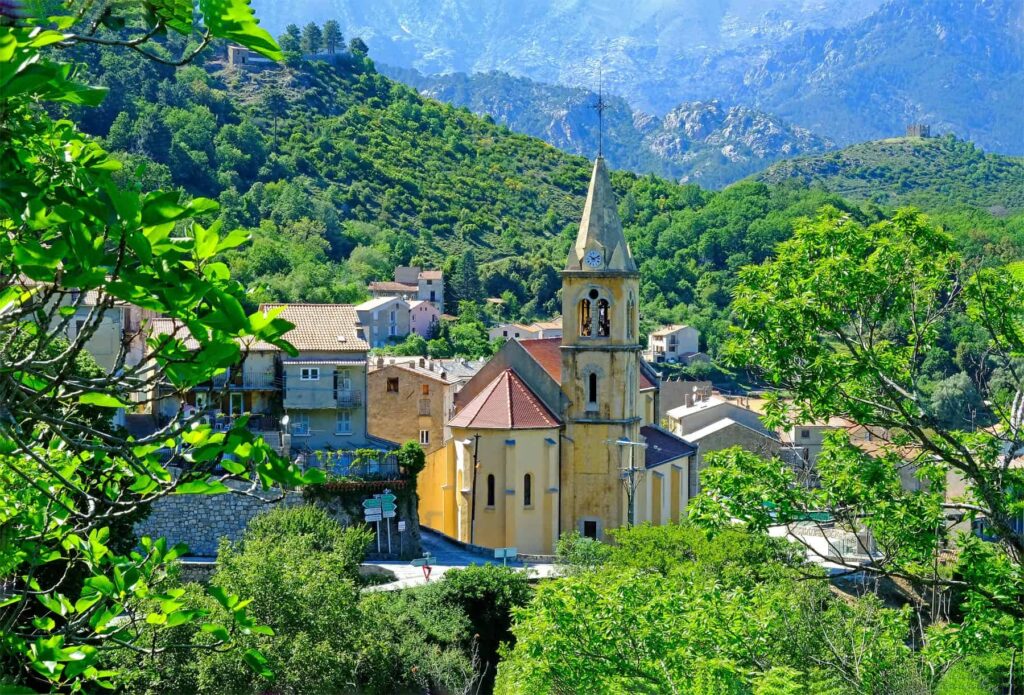
Most towns are located along the coast, with easy access to the sea and beaches that line the waterfront. Instead of feeling trapped among heat-radiating concrete buildings, you’ll be cooled by a steady breeze and can even enjoy a quick swim before heading to your next stop. Places like Ajaccio, Bastia, Calvi, Porto-Vecchio or Propriano sit directly on the water, offering open Mediterranean views and coves for bathing just a short walk away.
If you head inland, look out for nearby rivers where you can dip your feet and take a break. Corte, for example, is close to two stunning gorges- Restonica and Tavignano. Even on the hottest days, these lovely spots assure a refuge from the summer sun.
> 10 Must-visit towns in Corsica for your island getaway
THE HOTTEST PLACES
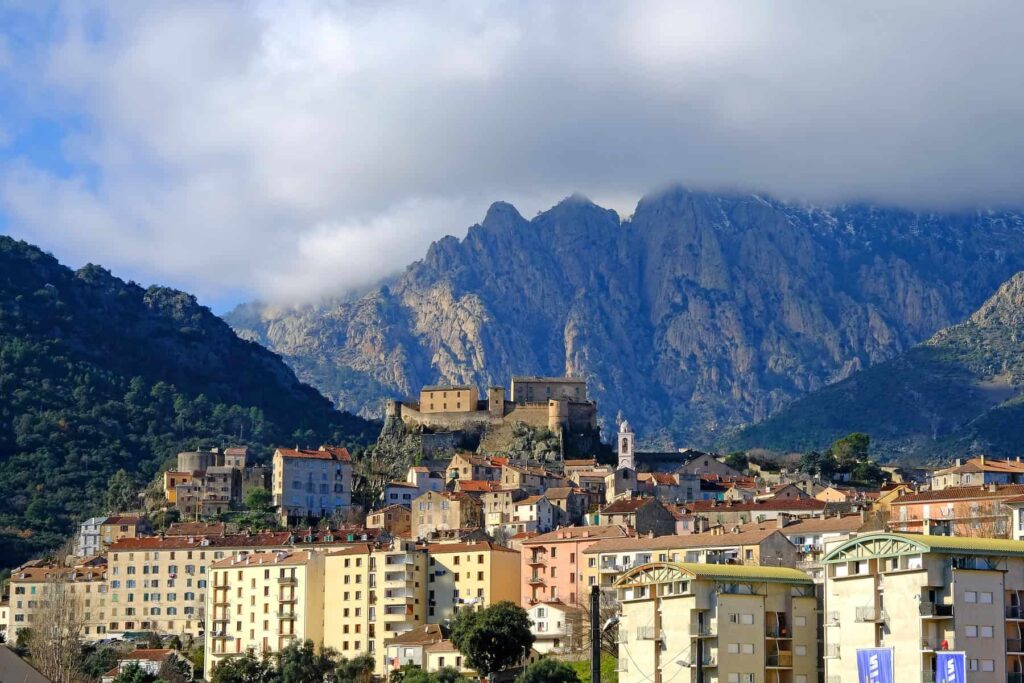
While Corsica is one of the coolest Mediterranean destinations in August thanks to its lofty peaks, some spots are best avoided on the hottest days or around midday. When temperatures soar, steer clear of:
- Deep, enclosed inland valleys that trap heat and block maritime breezes
- Open rocky canyons where vertical walls reflect sun rays directly into the gorge
- Exposed plains with no shade
Locations known for the hottest conditions include inland towns like Ponte Leccia and Corte, as well as lower-altitude rivers with rocky banks such as Fango, where granite walls radiate sunlight and amplify exposure.
> Is Corsica worth visiting? 10 Reasons why it should be on your bucket list
WHERE TO GO TO AVOID HEAT
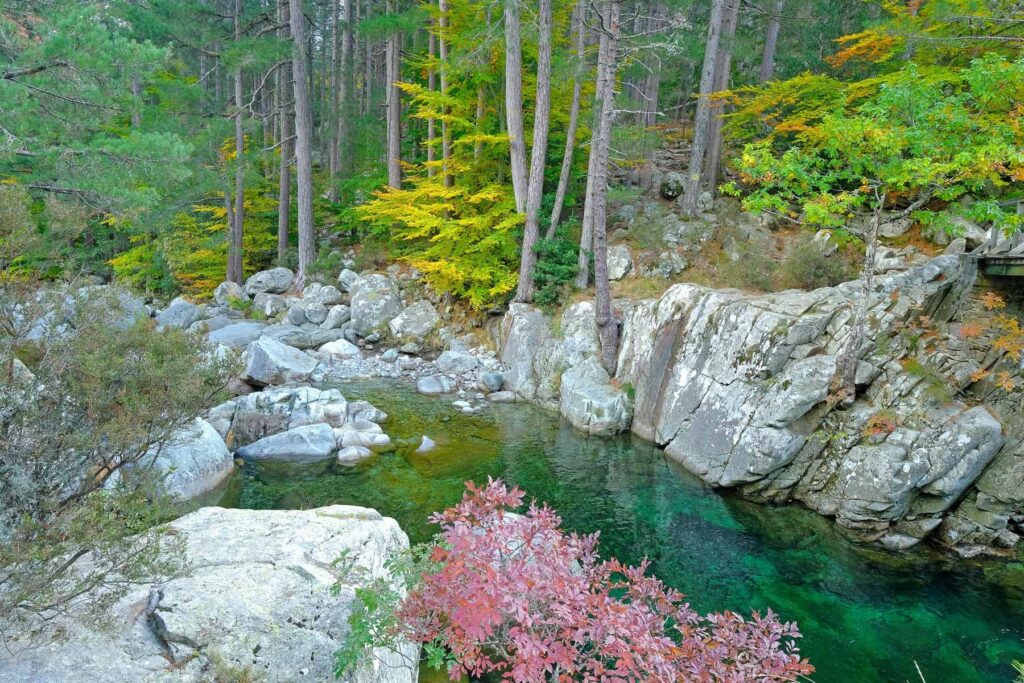
To escape the swelter, aim for altitude. Heading into the mountains brings immediate, literal relief- above 1000 metres, temperatures consistently drop to a comfortable level. On particularly stifling August days, these are my favourite spots:
- High Asco Valley – the river stays cold even in summer, and temperatures remain below 30°C (86°F) even during heatwaves.
- Vergio Pass – enjoy a relaxing walk to the Radule waterfalls.
- Cascade d’Aitone (near Vergio Pass) – sheltered by deep woodlands, its natural pools hold pure, cold water.
- Vizzavona Pass – Cascades des Anglais offer shade and cool river water, while Manganello Valley is an unspoilt oasis away from crowds.
- Solenzara Natural Pools (at Bavella) – strike the perfect balance between balmy water and bearable air temperatures.
- Lac de Creno – at over 1300 meters above sea level, this peaceful lake is covered in waterlilies and surrounded by beautiful pine woodlands.
> 15 Hidden gems in Corsica – discover the island’s best-kept secrets
BEST ACTIVITIES FOR AUGUST
Any activity involving water is your best friend on hot August days in Corsica. Start at the beaches, where you’ll swim and snorkel in turquoise seas. Well-equipped nautical bases allow you to scuba dive, kayak, or paddle. Even better, explore the island’s countless rivers for a splash in paradise.
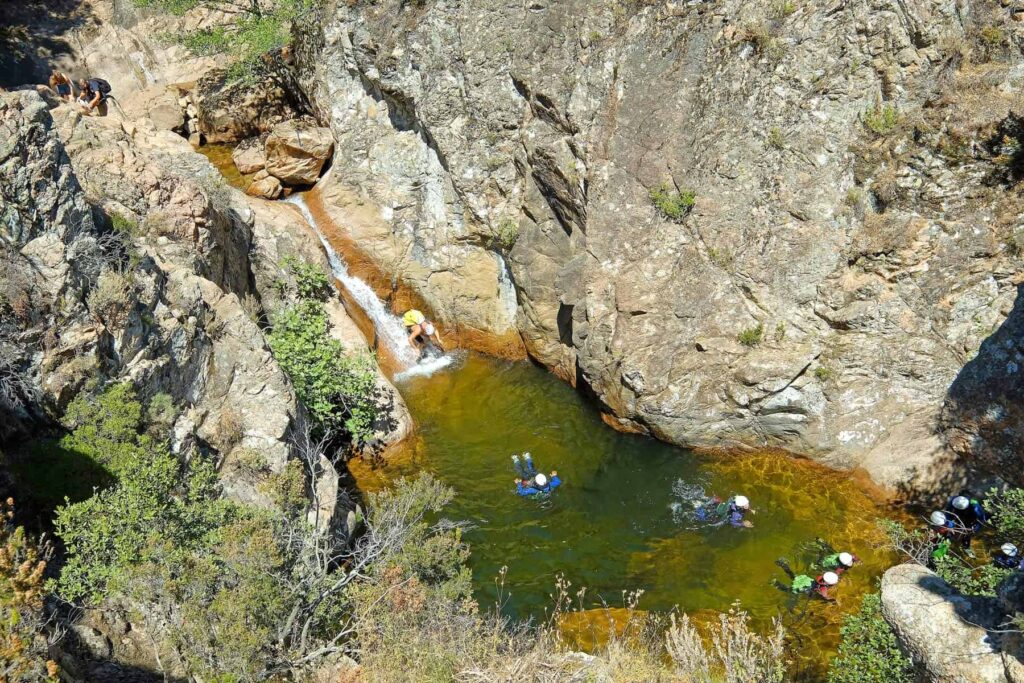
If you love a thrill, canyoning is a standout experience. Guided by an experienced instructor, you’ll follow a torrent’s course- sliding, swimming, jumping, and rappelling- to reach some of Corsica’s most striking locations.
Other great options include horseback riding, cycling, and paragliding. At higher altitudes, hiking is popular in August but requires careful planning. The famous GR20, one of Europe’s toughest trails, is typically open from early June (sometimes late May) to mid-October, once mountain passes are free of snow. While most hikers prefer the cooler shoulder seasons, August attracts those who can only take time off work or school during this peak holiday month.
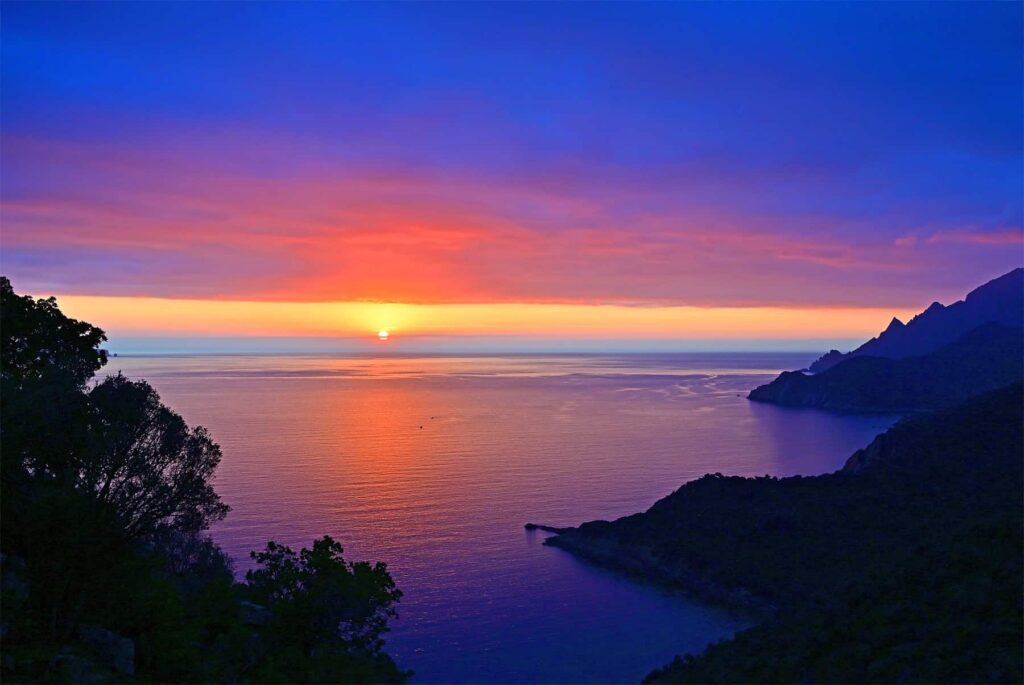
Corsica’s calendar is filled with cultural experiences, feasts, and events. Join in to soak up local life and discover the island’s fascinating traditions. Don’t miss the chance to sample the local cuisine, a versatile mix of fresh seafood, hearty mountain dishes, and excellent wines. These flavours are best enjoyed on long summer evenings- the perfect highlight of an August holiday in Corsica.
> Corsica – where to go and what to do
ACTIVITIES TO AVOID IN AUGUST
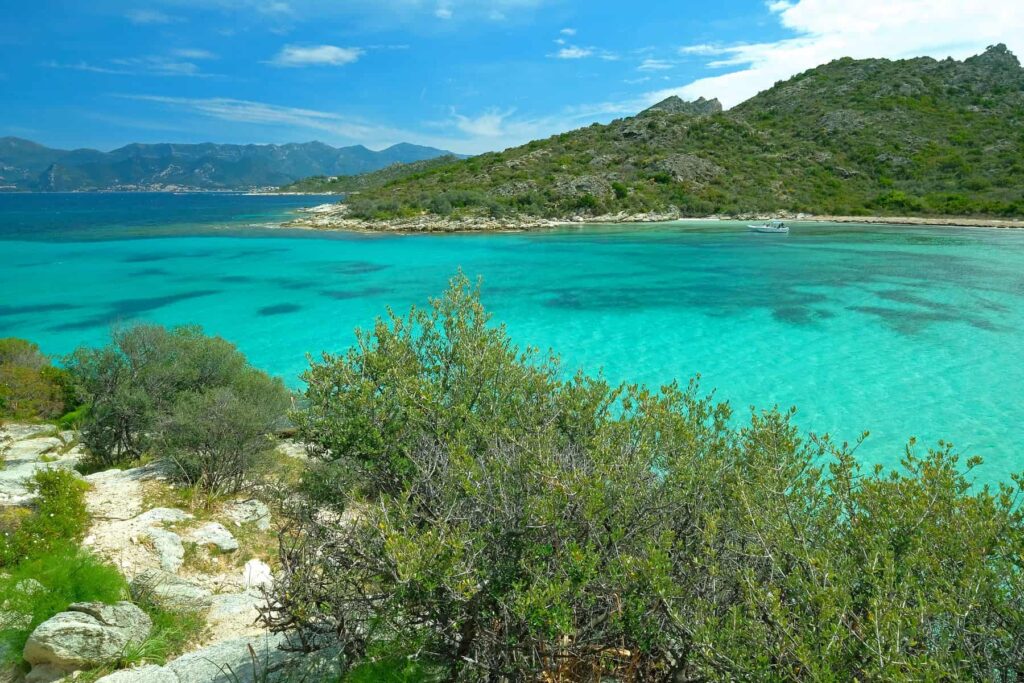
High UV rays, intense heat and dehydration can turn a fun summer day dangerous very quickly. These conditions make hiking along the lower-altitude, exposed trails particularly challenging due to relentless sun exposure and scorching temperatures in open sections. In August, opt for wooded, shaded paths- ideally those running near streams. I’d pass on long coastal trails like the one along the Agriates, the coastal routes of Cap Corse, or paths near Tizzano. Climbing on south-facing rock walls is also not ideal this time of year.
While exploring river valleys and canyons, avoid jumping straight into ice-cold mountain currents. A sudden immersion of an overheated body can trigger a dangerous cold shock response. Instead, ease in slowly- splash water on your face, chest, and the back of your neck to let your body acclimate before fully submerging.
> What to avoid in Corsica – 11 common mistakes
CORSICA VS OTHER MEDITERRANEAN DESTINATIONS IN AUGUST
Corsica, being a mountain rising from the sea, has an unusually wide range of microclimates, including genuine alpine conditions. This makes it a unique summer destination compared to much of the Mediterranean.
In places like southern Spain, southern Italy, Sardinia, Sicily, Crete, and mainland Greece, August temperatures often exceed 40°C (104°F), making sightseeing and even relaxing by the water uncomfortable or even unsafe. In Corsica, such extremes are far less common. The persistent summer breeze takes the edge off the heat, and when the coast becomes too warm, the island’s high-altitude interior is an easy escape.
INTERESTING FACT – In recent years, Corsica’s weather patterns have shifted slightly. For example, in 2025, the island experienced a brief heat wave in June, while the rest of the summer remained pleasantly warm, with temperatures generally hovering around or below 30°C (86°F).
> Best things to do in Corsica with children
FIRE RISK IN AUGUST
Like much of the Mediterranean, Corsica faces an elevated risk of wildfires during the summer months. The main contributing factors are prolonged periods of hot weather, sparse rainfall, dense vegetation covering much of the island, and strong winds that can rapidly accelerate the spread of flames. The majority of fires are caused by human activity, either through negligence or, in some cases, deliberate ignition.
Authorities closely monitor fire risk levels throughout the season. Firefighting vehicles are often stationed strategically in vulnerable areas, ready to respond at short notice. During periods of high risk, access to some forests and hiking trails may be limited, and strict regulations are enforced, including bans on barbecues and open flames.
Fire prevention and response rely on both ground and aerial operations. Water bomber aircraft and helicopters are deployed rapidly to ensure early containment before fires can spread more widely.
> Is Corsica a safe place to visit – travel advice and tips
PROS OF VISITING CORSICA IN AUGUST
- Guaranteed abundant sunshine
- Warm sea temperatures
- River water is at its warmest
- Lively vacation atmosphere
- A wide choice of flights and ferry connections
- Everything is open (hotels, restaurants, museums, etc.)
> Don’t expect this in Corsica – 20 surprising facts for visitors
CONS OF VISITING CORSICA IN AUGUST
- High temperatures
- Crowds in top tourist spots
- Elevated accommodation and transport prices
- Congested key roads in peak hours
- Paid parking in high-demand areas
> Visiting Corsica – how to get there
WHO THRIVES IN AUGUST – AND WHO DOESN’T
Corsica’s summer appeal depends on how well you handle warm weather. People particularly sensitive to heat may prefer to avoid the peak season and instead choose spring or autumn, when conditions are milder and more comfortable for outdoor activities. Travellers from northern latitudes, such as Scandinavia, often visit Corsica, but in the height of summer, the intense Mediterranean climate can sometimes feel challenging for those unaccustomed to sustained heat.
By contrast, Corsica in August is especially well suited to beach lovers, families with children, and first-time visitors looking for a classic Mediterranean summer experience.
HOW TO HANDLE HEAT IN CORSICA
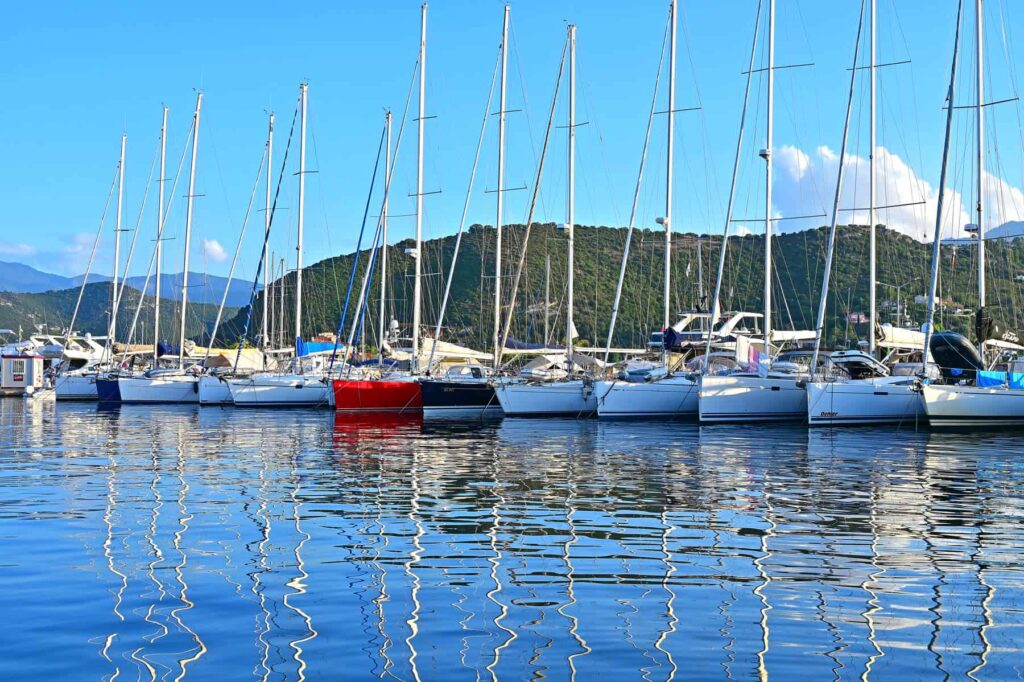
- Avoid the hottest hours (12-16) for outdoor activities
- Plan sightseeing for the morning or late afternoon
- Ensure accommodation has air conditioning
- Keep shutters closed during the day to block heat
- Drink plenty of water and stay well hydrated
- Consider electrolytes on very hot days
- Wear lightweight, breathable clothing and cover exposed skin
- Use a hat and sunglasses
- Reapply sunscreen regularly (SPF 30-50)
- On extreme days, head to the mountains, seek shade by rivers, or stay indoors in air-conditioned spaces
- Watch for symptoms such as headache, dizziness, or fatigue- early signs of heat stress
> 7 Amazing scenic drives in Corsica for road trip lovers
TRAVELLER’S COMPANION FOR A TRIP TO CORSICA – GRAB YOUR EBOOK!
33 Natural Pools and Waterfalls in Corsica
Descriptions – Directions – Coordinates
CORSICAN RIVERS SAFETY TIPS
When exploring the Corsican rivers, it is crucial to consider several safety precautions to ensure secure recreation. Here are key points to keep in mind:
- Always check weather reports before setting out.
- Cancel your adventure in case of storms, heavy rain, or high winds. In the mountains, flash floods that rapidly change water levels within a short period after a rain event are common.
- Exit the water immediately and leave the river valley if you hear thunder or see lightning.
- Avoid sudden exposure to stream water, which may cause cold water shock.
- At all times, supervise children, the elderly, or people with reduced mobility near the river and in the water, to avoid injury or drowning.
- Check the water depth before going in, and enter slowly. Always ensure that you have an easy way to get back out.
- Be cautious of fast-moving currents, especially after adverse weather. Pay special attention near the waterfalls.
- Watch out on slippery, wet rock surfaces. Wear shoes with a good grip while exploring the river or swimming.
- Avoid jumping into the river even if you see others do it. Diving into unknown waters can lead to serious injuries from hitting submerged objects or shallow areas.
- Don’t drink river water.
- Watch out for increased water levels in autumn, winter, and spring when abundant rains and snowmelt feed the Corsican river network.
> Top 7 easy hikes in Corsica – outdoor adventures
YOU MAY ALSO LIKE
- 15 best beaches in Corsica for lovers of sea, sun and sand – the ultimate guide
- Corsica’s best beach hotels and top coastal locations
- Best places to stay in Corsica for couples
- Where to stay in Porto Vecchio – best hotels & areas for your Corsica trip
- Visiting Corsica – how to get there
- Where to stay in Corsica – best places and areas for your visit
- Best things to do in Ajaccio – the complete guide
- 16 stunning Bonifacio beaches you can’t miss
- Bonifacio travel guide – discover Corsica’s top destination
- Is Corsica an expensive travel destination – money guide for visitors
- Top beaches of south-east Corsica
- Corsica – where to go and what to do
- Porto Vecchio travel guide – everything you need to know
- 25 Instagram-worthy places in Corsica for stunning photos
- 11 Best beaches in Ajaccio – top spots to swim and relax in Corsica’s capital
PLANNING A TRIP TO CORSICA? CHECK OUT THESE RESOURCES!
Liability Disclaimer
All outdoor activities are carried out at your own risk. Always plan ahead and be cautious when preparing for your hikes. The author of this blog cannot be held responsible in the event of an accident, death, loss, personal injury, or any other inconvenience or damage that may be sustained by anyone as a result of the use of any information contained on this website.