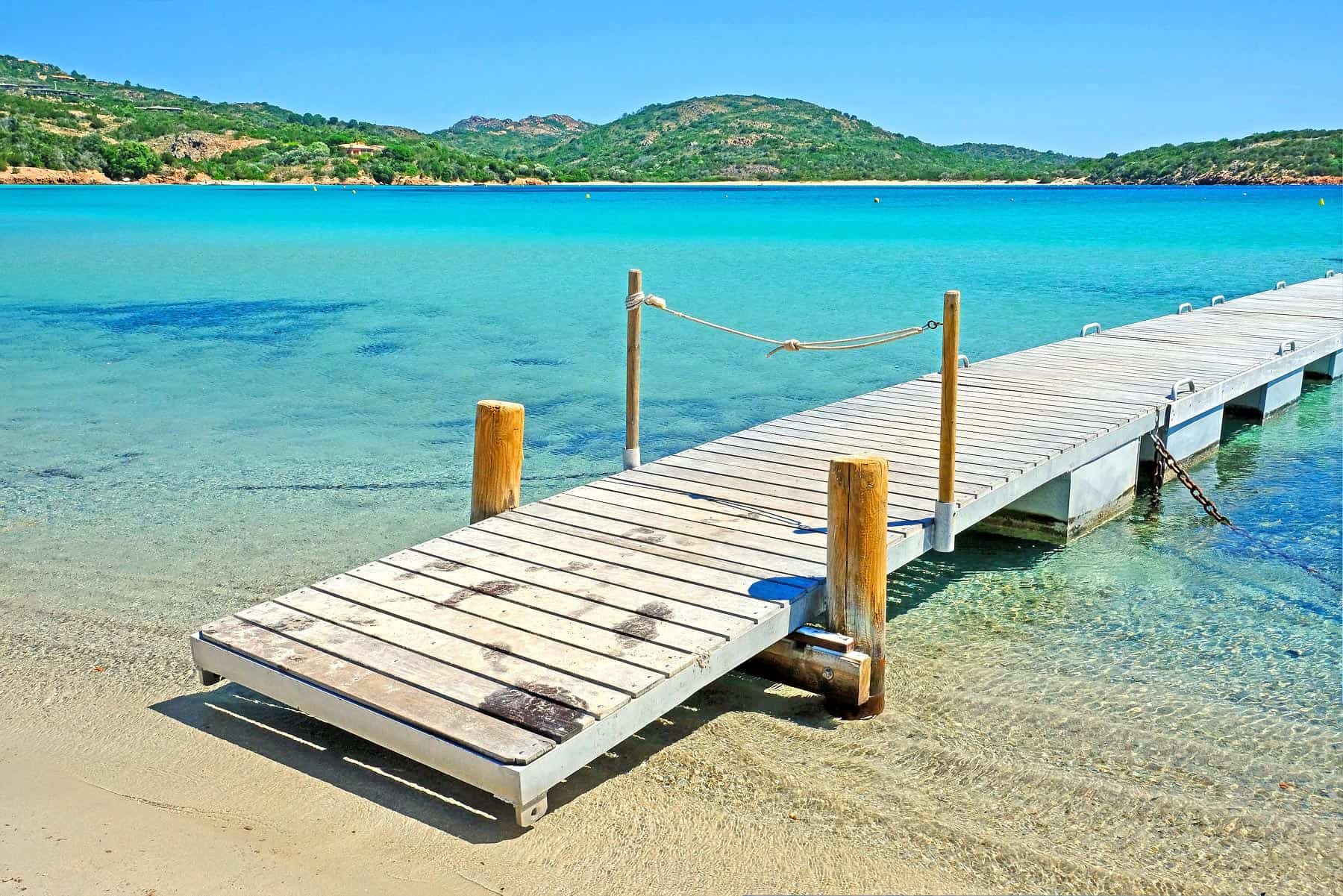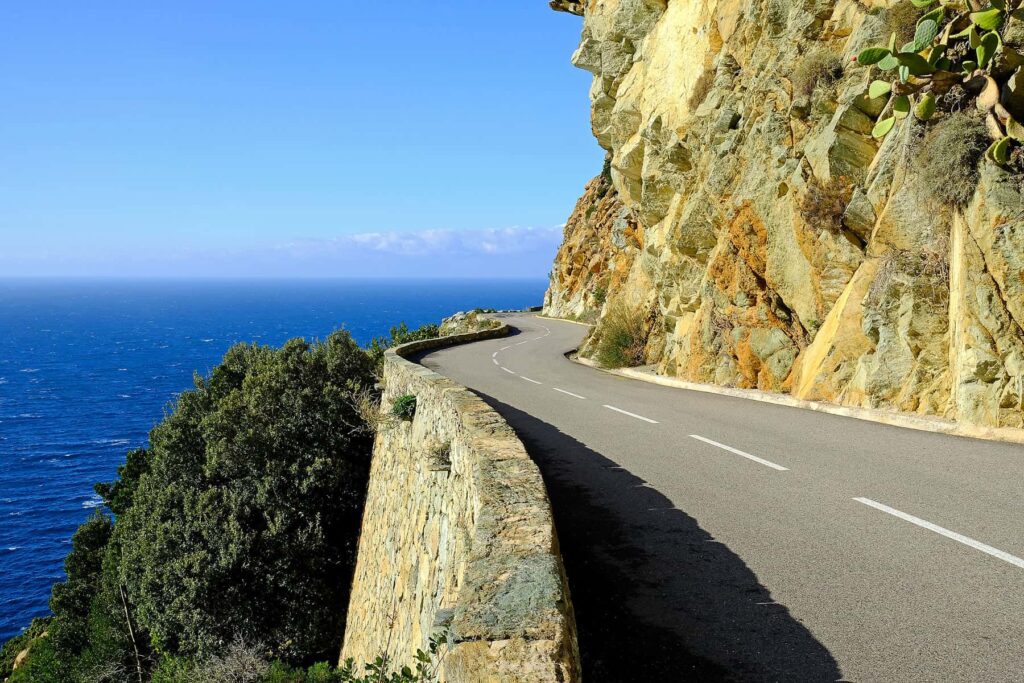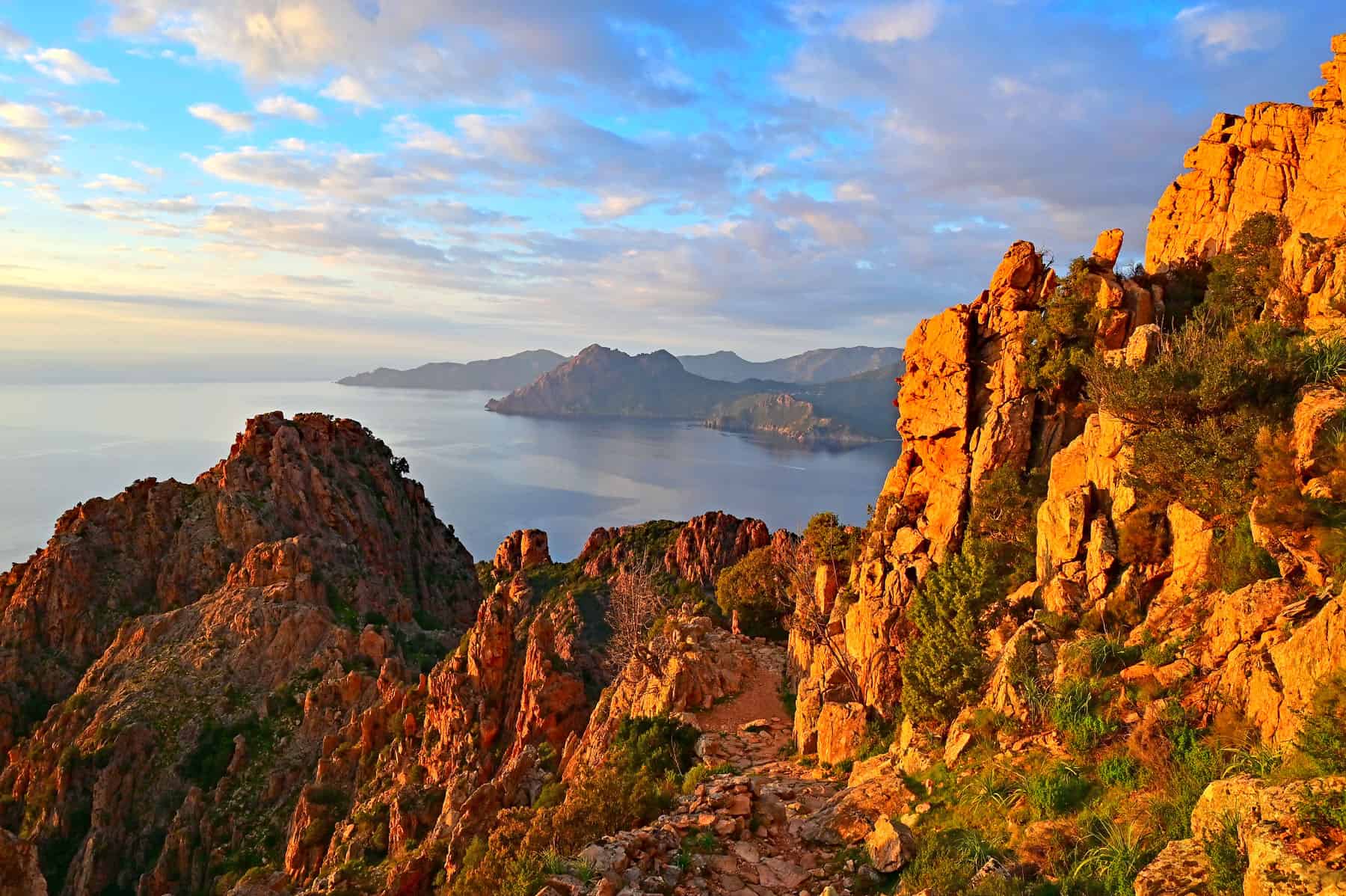
Planning a trip to Corsica? Knowing the local do’s and don’ts can make your visit smoother and more enjoyable. Home to dreamy beaches, dramatic mountains and picture-perfect villages, the Island of Beauty offers much more than stunning scenery- it has its own traditions, customs and way of life that may be unfamiliar to first-time visitors.
While Corsicans are welcoming, a little awareness of local conventions goes a long way. Simple gestures like saying bonjour, being patient on the roads and embracing the island’s slower pace of life will, without doubt, help you fit in.
In this guide, you’ll discover 20 essential tips to understand local etiquette and enjoy a truly authentic experience. Some are practical suggestions that will make your trip easier, while others highlight the unique quirks of island life that every visitor should know before arriving in Corsica.
This page contains affiliate links meaning I get a commission if you decide to make a purchase through my links, at no extra cost to you. Click here to learn more.
CORSICA DO’S AND DON’TS – QUICK GUIDE
The Do’s
- Say bonjour first
- Respect Corsican culture
- Embrace the slower pace
- Carry some cash
- Dress modestly in churches
- Let faster drivers pass
- Give way to livestock
- Follow local recycling rules
- Reserve sunbeds in summer
- Respect quiet hours
The Don’ts
- Don’t underestimate Corsican pride
- Don’t expect everyone to speak English
- Don’t be surprised by the bise
- Don’t oversimplify Corsican identity
- Don’t honk when locals stop to chat
- Don’t criticise Corsican cows
- Don’t leave litter behind
- Don’t ignore fire restrictions
- Don’t mistake roaming dogs for strays
- Don’t enter shops wearing a helmet
THE DO’S
1. SAY BONJOUR FIRST
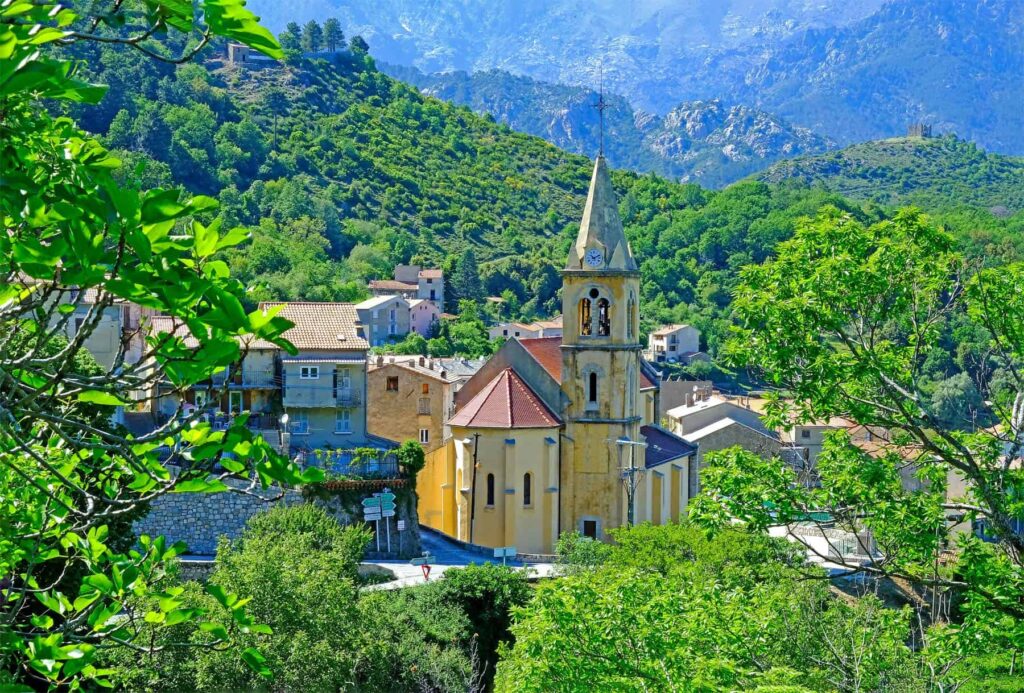
In Corsica, it’s considered polite to greet someone before asking a question or requesting help. During the day, simply say bonjour, and in the evening, switch to bonsoir. When addressing someone, use Madame for a woman and Monsieur for a man. The same courtesy applies when entering shops, cafés and bakeries, as well as passing other hikers on a trail- a friendly bonjour is always appreciated.
2. RESPECT CORSICA’S STRONG IDENTITY AND CULTURE
Corsicans are deeply proud of their identity, shaped by centuries of complex history and traditions. From the Corsican language and ancient polyphonic singing to its distinctive flag, crafts and pastoral heritage, the island has a culture unlike anywhere else in France. Taking the time to understand and respect this unique legacy will help you connect more meaningfully with Corsica and its people.
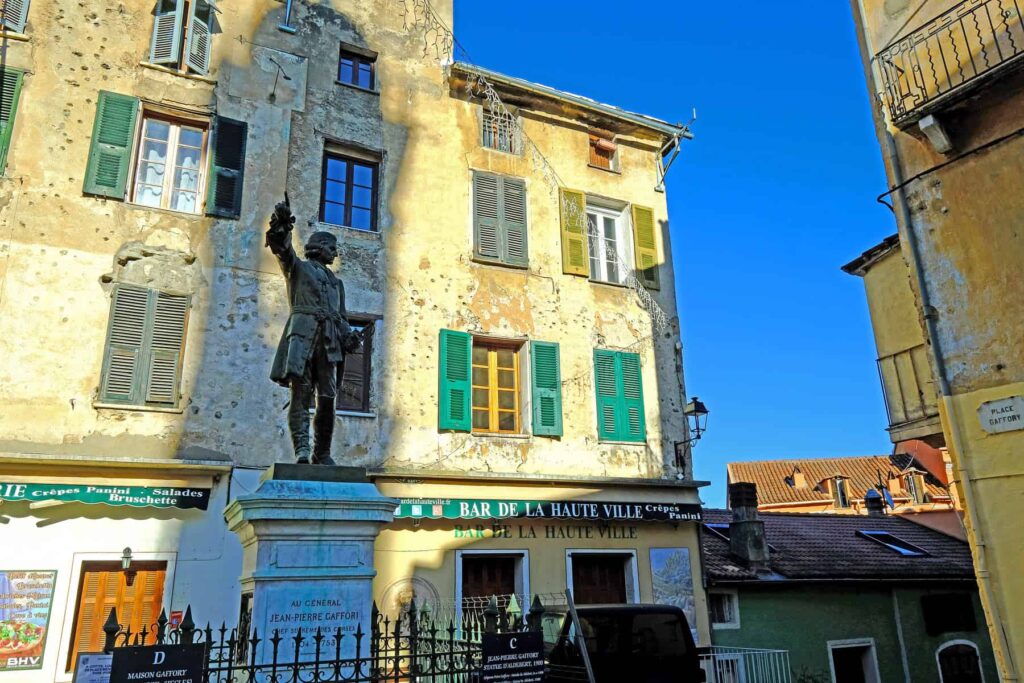
3. EMBRACE THE ISLAND’S SLOWER PACE OF LIFE
Like elsewhere in the Mediterranean, Corsica’s slower pace of life manifests in everyday routines. Weekend lunches with friends stretch well into dinner, shops close at midday, and neighbours stop for long chats in the street. This relaxed rhythm encourages community ties but can also mean slower services, longer waits and less efficiency. While you are here, embrace the island’s southern spirit and allow yourself to slow down.
4. CARRY SOME CASH – NOT EVERY BUSINESS ACCEPTS CARDS
While card payments are common in Corsica, it is definitely a good idea to carry some cash, especially when visiting villages or remote areas. Small shops, beach bars, ice-cream parlours and family-run businesses may not always accept cards, and a few euros in your wallet can save you from an inconvenient situation. Cash is also useful for small purchases or leaving a little extra after a meal. Tipping is not expected in Corsica, but rounding up the bill or leaving a small amount is always appreciated.
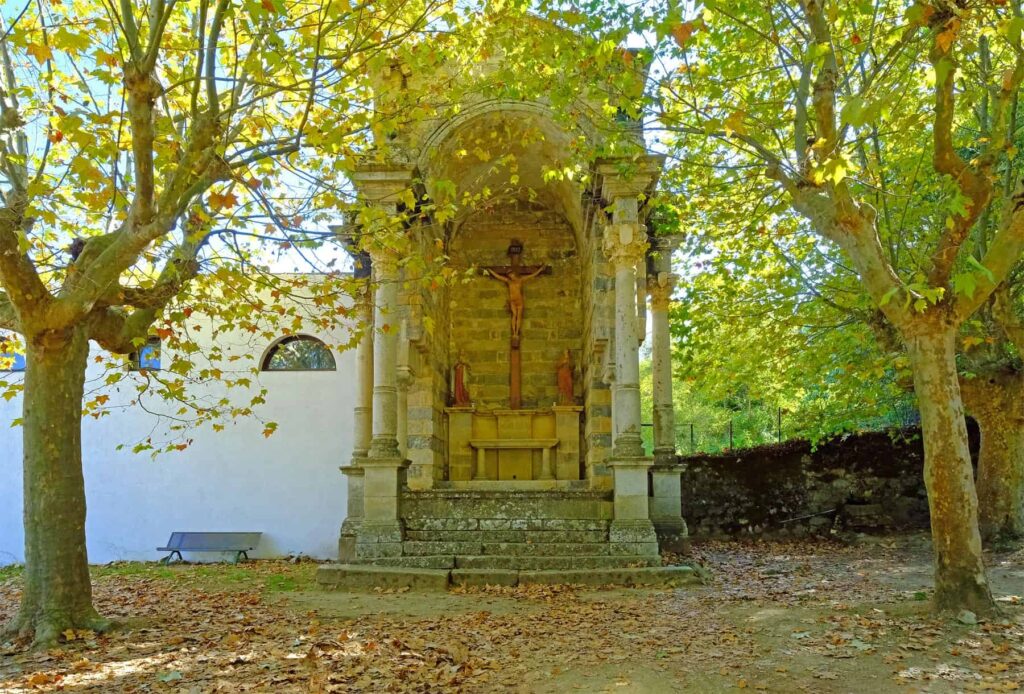
5. DRESS MODESTLY WHEN VISITING CHURCHES AND RELIGIOUS SITES
Corsican churches are often at the heart of local life and reflect the island’s long Catholic tradition. Although many are open to visitors, sometimes for a small fee, they remain places of worship where modest dress is appreciated. There is no strict dress code, but covering shoulders and knees is a good rule to follow. Avoid entering in beachwear or very revealing tops. In summer, I always carry a light scarf, which comes in handy when the heat is intense outdoors. Also, remember to keep your voice low and remain respectful if a service is taking place.
6. LET FASTER DRIVERS PASS ON NARROW MOUNTAIN ROADS
Corsica’s narrow, winding roads can feel intimidating for visitors unused to steep bends and mountain routes. Taking your time and driving cautiously is absolutely the right approach. However, locals who know these roads well often drive with more confidence and at a faster pace. If you notice cars building up behind you, pull into a safe lay-by when possible and let them pass. There is no need to rush- just avoid holding up traffic when it is possible to let others through.
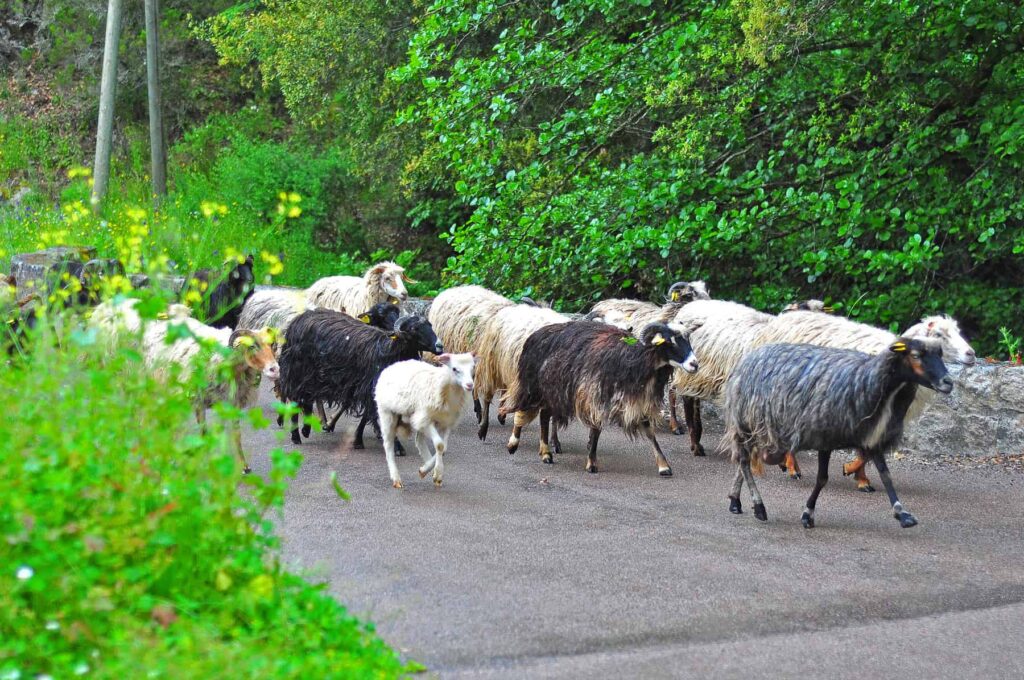
7. GIVE WAY TO LIVESTOCK ON RURAL ROADS
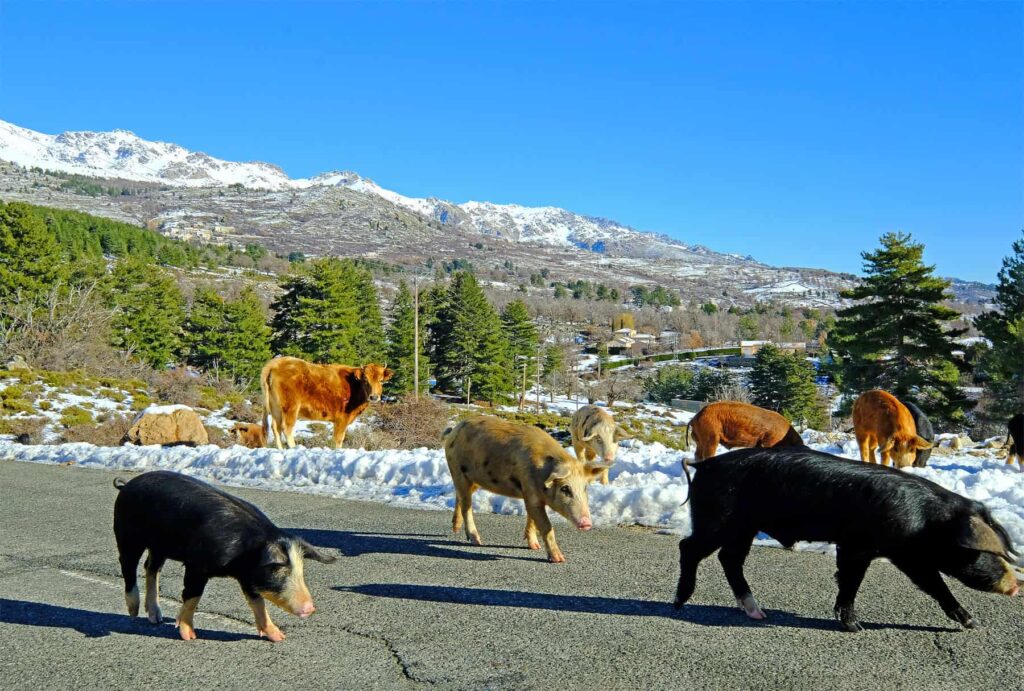
In Corsica’s rural and mountain areas, it is not unusual to encounter livestock wandering onto the road. It’s part of the island’s pastoral charm- something kids find fascinating, but which also calls for patience from drivers. You may come across cows, goats, pigs or sheep, so slow down and give them plenty of space to pass. Avoid sudden movements or loud noises, as these can startle the animals. Sheep herds are often accompanied by farmers who may need a little time to safely guide them across the road. Other animals may also roam freely, so stay alert, especially at night when visibility is reduced.
8. FOLLOW LOCAL RECYCLING RULES
Corsica makes recycling relatively simple with a colour-coded system, and waste disposal is easy when you know which bin to use. Collection points are usually located along roadsides, in dedicated areas or near residences. Yellow-lid bins are used for plastic and metal packaging, blue bins for paper, green bins for glass and grey or black bins for general waste. During the peak season, when the island welcomes large numbers of visitors, taking a few extra seconds to sort rubbish properly makes a real difference in protecting Corsica’s fragile environment.
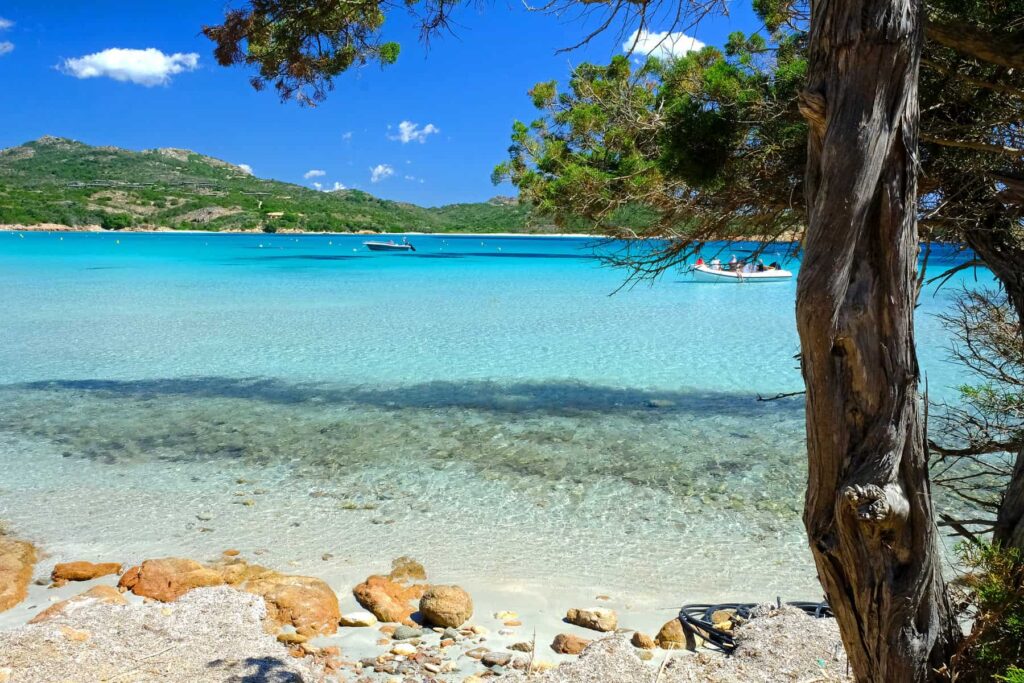
9. RESERVE YOUR SUNBED IN SUMMER
Corsica’s beaches are largely wild and unspoilt, with limited facilities compared with many other Mediterranean destinations. Sun loungers and beach services are mainly found on the coast near larger towns, and even there, they are usually kept discreet to preserve the shoreline’s natural beauty. If you are planning a lazy summer beach day with a few extra comforts, it is best to reserve your spot in advance to avoid disappointment.
10. RESPECT QUIET HOURS IN VILLAGES AND RESIDENTIAL AREAS
Unlike some Mediterranean destinations, Corsica is not known for a party scene, loud bars and late-night noise. Its charm lies in peaceful ambience, unspoilt landscapes and soothing sounds of nature. Many villages and residential areas become quiet from around 10-11 pm onwards, as well as around midday when locals traditionally take a rest. Avoid loud music and unnecessary noise during these hours. Cities, on the other hand, remain more vibrant, especially in summer.
THE DON’TS
11. DON’T UNDERESTIMATE CORSICAN PRIDE
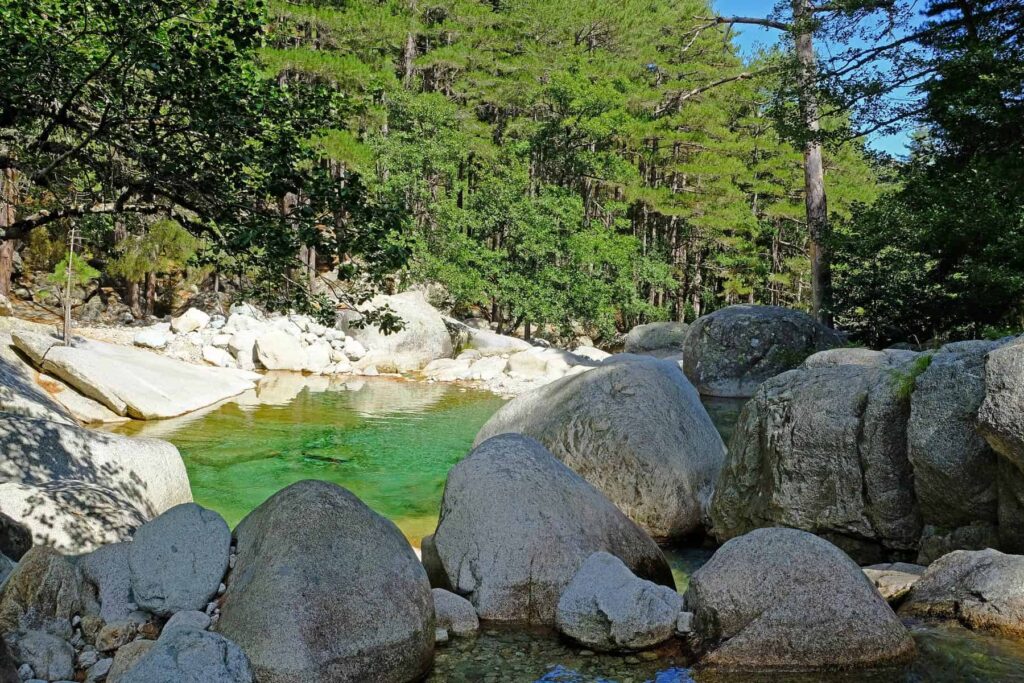
When chatting with locals, don’t try to argue when they tell you Corsica is the best place on earth- no matter how much you love your own homeland, it is a debate you are unlikely to win. Corsicans have a strong attachment to their island, proudly protect its natural heritage and like to stay close to home. You will frequently hear ‘On est bien ici’ (Life is good here) said with a big smile. If you simply agree that Corsica is special, you will instantly score points with locals and may even make a new friend.
12. DON’T EXPECT EVERYONE TO SPEAK ENGLISH
In Corsica, English is less commonly used than in many other Mediterranean destinations, especially outside tourist sites and hotels. French remains the main language of daily life, while some locals also speak Corsican, particularly among family and community circles. Carrying a translation app and learning a few basic French phrases- such as hello, thank you, goodbye, excuse me and ‘the bill, please ’-will make everyday interactions much easier.
13. DON’T BE SURPRISED BY THE CORSICAN BISE
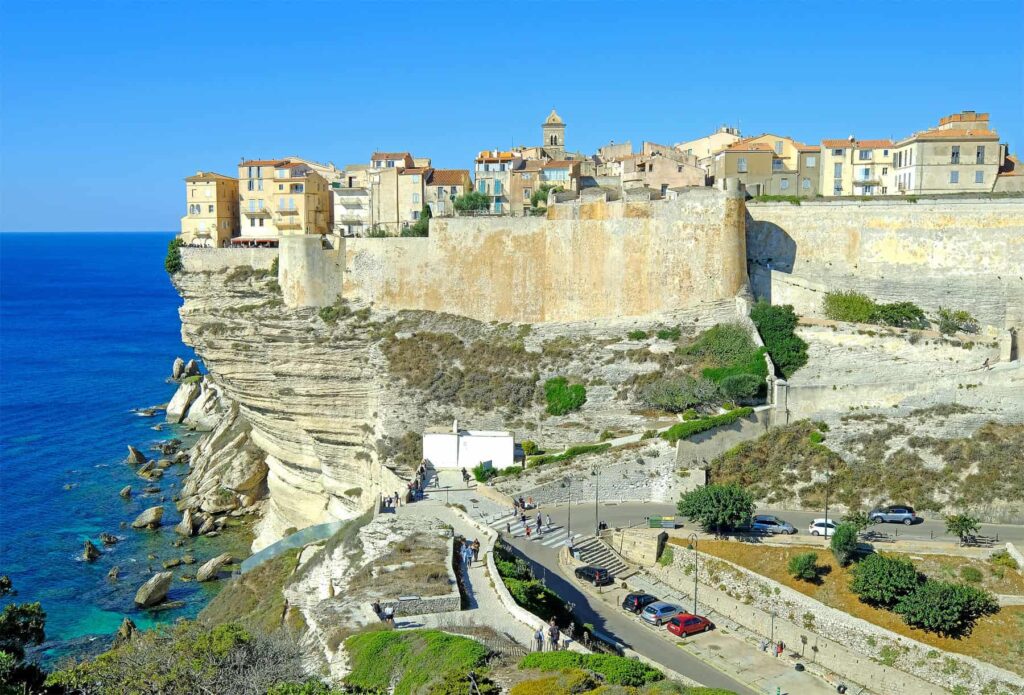
The bise (a kiss on each cheek) is a common greeting among friends, family and acquaintances in Corsica, as it is throughout France. It is not usually expected when meeting someone for the first time in a formal setting, where a handshake is more appropriate, although it can still happen in a more relaxed situation. Greetings are often warm and personal, so the best approach is to follow the lead of locals rather than initiating a bise if you are unsure.
14. DON’T OVERSIMPLIFY CORSICAN IDENTITY
While Corsica has been part of France since 1769, the island has retained a strong identity, shaped by its own language, traditions and centuries of Pisan and Genoese influence. For many Corsicans, their insular roots come first, while others see themselves equally as both Corsican and French. As with any question of identity, it is best to avoid making assumptions when discussing social or political matters and to approach the subject with curiosity and respect.
15. DON’T HONK WHEN LOCALS STOP TO CHAT
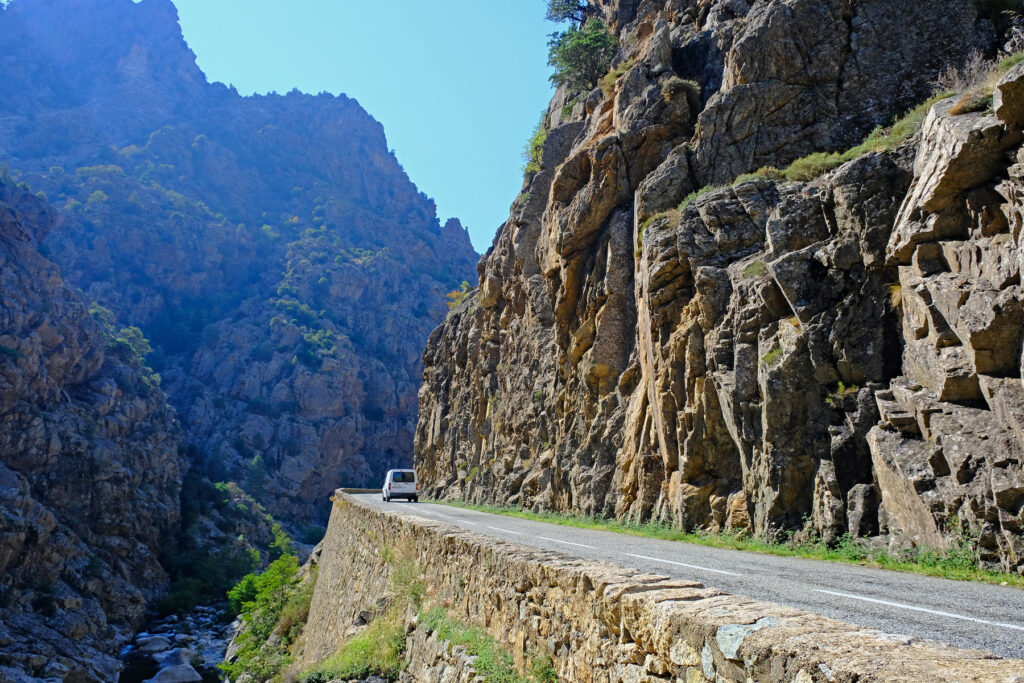
On quiet rural roads in Corsica, you may occasionally come across two cars stopped while the drivers catch up on the latest news, holding up traffic. It can be frustrating, but it’s all part of the island’s relaxed rhythm. If you find yourself waiting, resist the urge to honk. A little patience goes a long way- the conversation will soon end, the cars will move on, and you’ll be on your way. Honking is unlikely to speed things up and may simply be seen as discourteous.
16. DON’T CRITICISE CORSICAN COWS
Free-roaming cows are a familiar sight in Corsica. You will often see them grazing along mountain roads or even wandering along famous beaches such as Saleccia or Lotu. Although they should never be approached for safety reasons, they are part of the island’s traditional landscape. One comment to avoid is that the cows look skinny, as this can come across as criticism or suggest they are poorly cared for. In reality, these hardy animals are well adapted to Corsica’s rugged environment and are looked after by local breeders. Their lean appearance is part of the breed and the way they are raised.
17. DON’T LEAVE LITTER BEHIND
Corsica is one of the Mediterranean’s best-preserved islands, with large areas of its coastline, mountains and forests protected. Pristine beaches and spectacular landscapes remain largely untouched. Whether you are relaxing on a beach, hiking a mountain trail or enjoying a picnic by a river, always leave the place exactly as you found it. In remote areas, rubbish bins are few and far between, so it is a good idea to carry a small bag and take your waste with you until you find a suitable place to dispose of it. A simple leave no trace approach helps preserve the island’s beauty for everyone.
18. DON’T IGNORE FIRE RESTRICTIONS
Always respect fire and barbecue bans in Corsica- one small spark can have devastating consequences for the local ecosystems and population. During the hot, dry and windy summer months, the island faces an increased risk of wildfires, many of which are linked to human activity. Flames can spread rapidly in these challenging conditions.
Before heading into the countryside, check the official Corsica fire risk map https://www.risque-prevention-incendie.fr/corse/, which is updated daily during the high-risk season. It provides information on fire danger levels and any restrictions affecting access to natural areas.
IMPORTANT TIP – From 15 June to 30 September, smoking and lighting fires are prohibited in forests and other natural areas under local fire safety regulations.
19. DON’T MISTAKE ROAMING DOGS FOR STRAYS
Visitors to Corsica are often surprised to see dogs wandering freely, usually wearing a collar and sometimes a GPS tracker. They may belong to farmers or shepherds and are simply allowed to roam around their familiar surroundings. Some play a working role in rural life, while others are everyday companions around villages and businesses. If a dog looks healthy and wears identification, it is often not lost or abandoned, but simply part of the local way of life.
20. DON’T ENTER SHOPS WITH YOUR HELMET ON
In some Corsican supermarkets, motorcyclists and cyclists may be asked to leave their helmets at the entrance before shopping. Large stores often provide lockers where you can safely store helmets, large backpacks or bulky bags while you browse the store. If a staff member asks you to leave an item behind, it is simply part of the store’s security measures and is best respected.
TRAVELLER’S COMPANION FOR A TRIP TO CORSICA – GRAB YOUR EBOOK!
33 Natural Pools and Waterfalls in Corsica
Descriptions – Directions – Coordinates
YOU MAY ALSO LIKE
- Scandola Nature Reserve – explore Corsica’s natural treasure
- Corsica’s best beach hotels and top coastal locations
- Where to stay in Corsica – best areas & places for your visit
- Calanches de Piana – explore Corsica’s coastal paradise
- 15 Best Calvi beaches for your Corsican vacation
- Porto, Piana, and Cargese – crown jewels of Corsica’s dramatic west coast
- Welcome to Ile Rousse – one of Corsica’s summer hotspots
- Discover Desert des Agriates and its paradisiacal beaches
- 9 Best day trips from Calvi – plan your Corsican getaway
- 15 Hidden gems in Corsica – discover the island’s best-kept secrets
- 7 Magical waterfalls in Corsica every nature lover should see
- Corsica – where to go and what to do
- Top 11 most beautiful places in Corsica – the ultimate bucket list
- Best places to stay in Corsica for couples
- Porto Vecchio travel guide – everything you need to know
PLANNING A TRIP TO CORSICA? CHECK OUT THESE RESOURCES!