
Corsica is one of the Mediterranean’s best year-round destinations, with an extraordinary variety of landscapes and things to see and do. There is no universally bad time to visit the island. The best- or worst- month depends largely on how you like to spend time and what kind of experience you are looking for.
Depending on the season, Corsica offers all kinds of outdoor activities, from swimming in pure sea and river waters to hiking, cycling and even snowshoeing. The climate varies too, from the mild Mediterranean along the coast to alpine conditions in the mountains. Throughout the year, the island changes dramatically. Summer brings warm weather, crowds and higher prices, whereas winter comes with periodic closures, shorter days, more rain and colder sea temperatures.
With such a wide range of factors, choosing the right time to visit is not always straightforward. In this guide, I will look at the periods that may be less suitable depending on the type of trip you have in mind, so you can decide when Corsica can offer you the experience you are looking for. You may also enjoy my article highlighting the best time to visit the island.
MY PERSONAL TAKE – I don’t necessarily agree with the idea of a ‘worst’ time to visit Corsica. I often enjoy the island most during some of the months that visitors are advised to avoid. Outside the peak season, Corsica has a special appeal- there is something magical about having a scenic trail or a pristine beach almost to yourself, with gentler sunshine and more space to explore. For a photographer, and for anyone who enjoys nature, the so-called ‘worst’ months can sometimes be the best.
This page contains affiliate links meaning I get a commission if you decide to make a purchase through my links, at no extra cost to you. Click here to learn more.
PLANNING A TRIP TO CORSICA? CHECK OUT THESE RESOURCES!
WHY TIMING MATTERS IN CORSICA
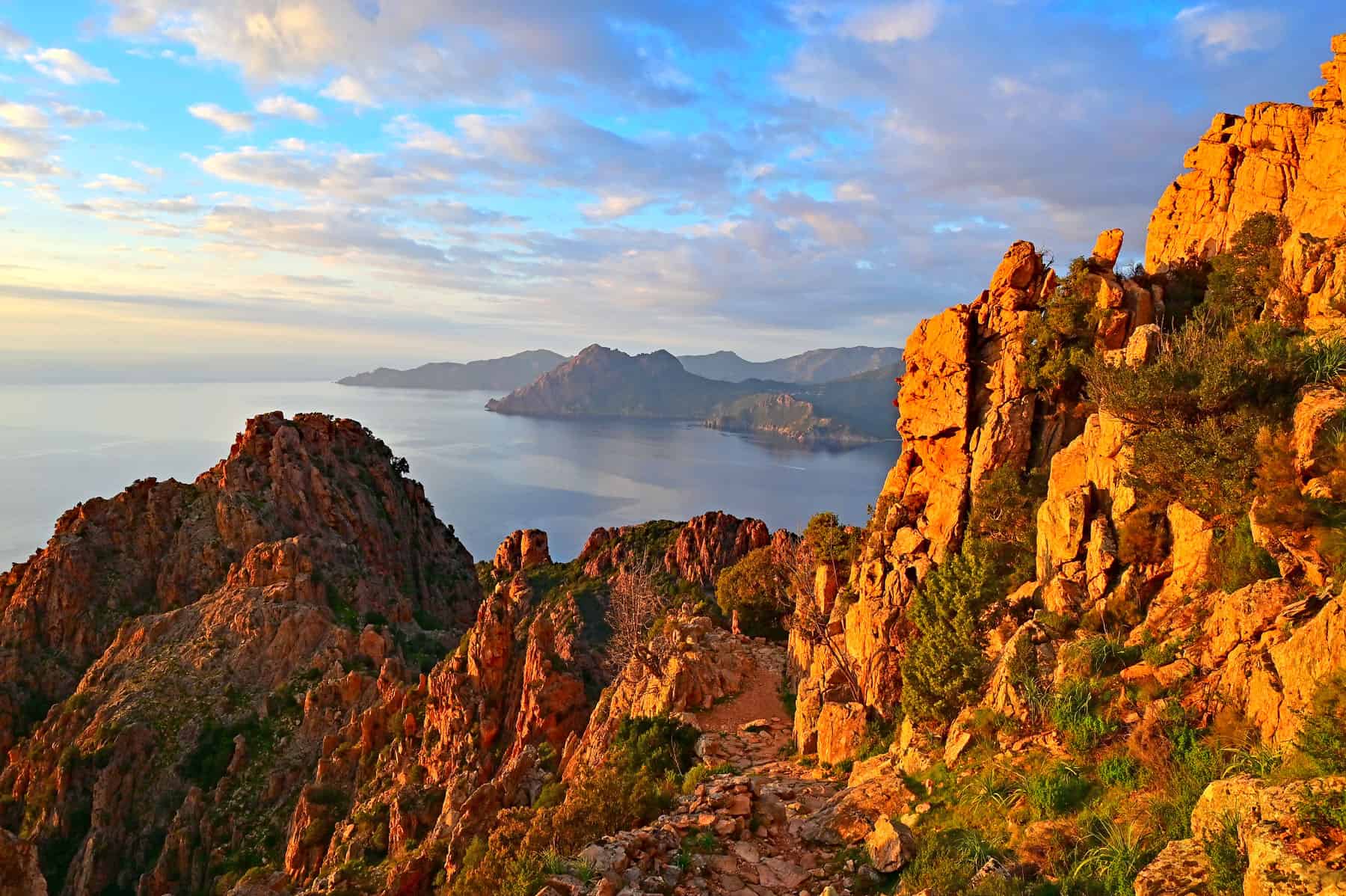
Seasonality defines Corsica’s identity and plays a big part in creating the kind of visit you can expect.
Summer is a fabulous period for all kinds of water activities and brings a joyful holiday atmosphere, but it also means crowds, traffic on the winding local roads and high prices. Autumn is great for hiking, with cooler temperatures and quieter trails, but the days are shorter, and the weather becomes more changeable. Winter is the most budget-friendly time to visit and can even offer opportunities for enjoying snow sports at higher altitudes. On the other hand, access to the island becomes limited, with a modest choice of flights and ferries, and much of the tourist infrastructure remains closed until Easter. Spring ushers in fresh energy, with blooming flowers and plenty of bright sunshine, but it can also bring spells of strong wind and unpredictable forecasts.
Ultimately, there is no single worst season for visiting Corsica. It all comes down to your priorities and what you really want from your trip.
WHEN IS THE WORST TIME TO VISIT CORSICA – AT A GLANCE
| IF YOU WANT TO… | YOU MAY WANT TO AVOID… |
| Have a full range of tourist services | November – Easter |
| Avoid crowds | August |
| Travel on a budget | July – August |
| Avoid the heat | July – August |
| Minimise the chance of rain | October – April |
| Hike the GR20 | Mid-October – May |
| Swim in the sea | November – May |
THE WORST TIME TO VISIT CORSICA IF YOU WANT EVERYTHING OPEN
In Corsica, seasonal closures begin in November and continue until Easter, which can fall at the end of March or in April. During the winter period, transport options are more limited, with only a selection of ferry connections and direct year-round flights from cities such as Paris, Marseille or Nice. Many restaurants and hotels, particularly in more touristy destinations such as Calvi or Bonifacio, also close for winter to reopen in spring. Attractions and activities such as boat trips, guided tours and organised sports are also far fewer or unavailable.
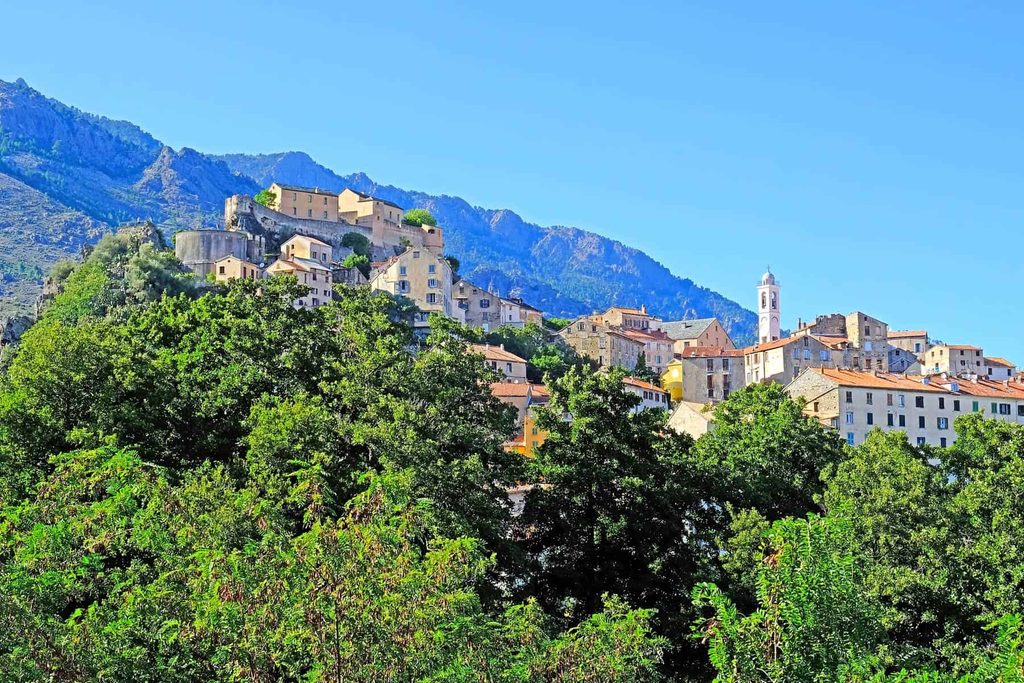
However, even during the quiet season, you will find places that remain active and continue to offer the services and infrastructure needed for a visit. The best choices at this time are Ajaccio, Corsica’s capital, and Bastia, its second-largest city. Corte, a historic stronghold in the heart of the mountains, also stays lively thanks to its youthful atmosphere and the presence of Corsica’s only university.
> For more ideas on where to go and what to expect outside the main tourist season, see my guide to Corsica in winter.
WHO WILL ENJOY VISITING CORSICA IN WINTER?
- Travellers seeking peace and solitude
- Nature lovers
- Photographers
- Hikers (lower-altitude and coastal trails)
- Road-trip travellers
THE WORST TIME TO VISIT CORSICA IF YOU DON’T LIKE CROWDS
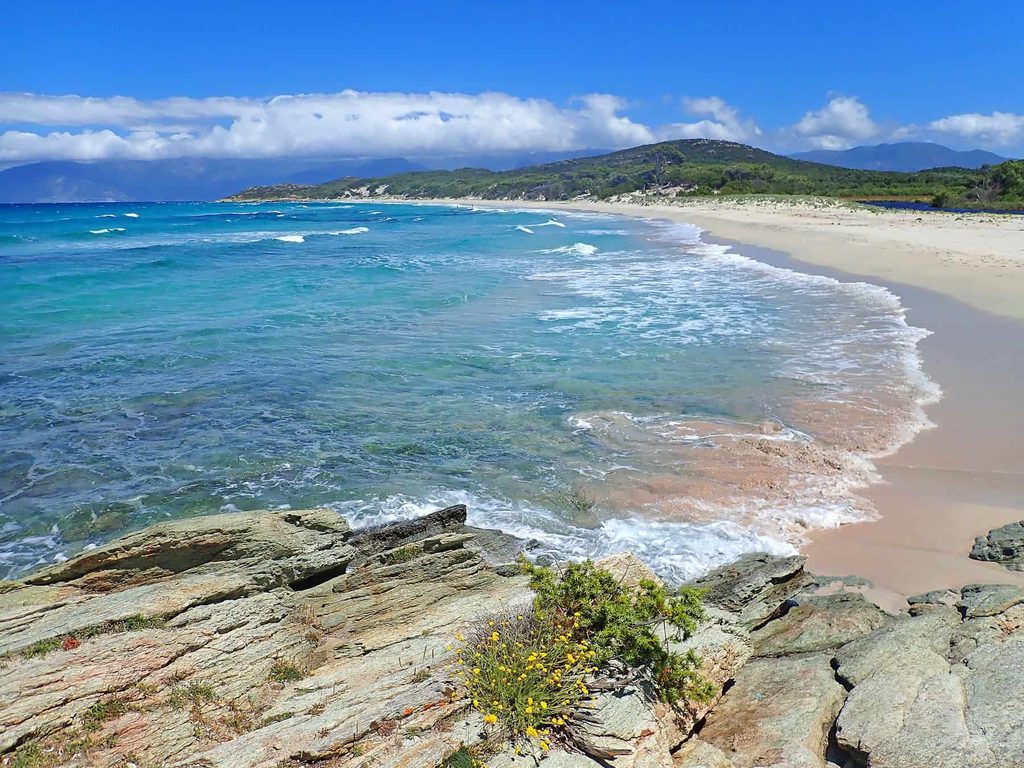
August is the busiest month in Corsica and the one to avoid if you don’t like crowds. It is the height of the visiting season, when the full range of tourist infrastructure is open, and the island welcomes travellers in large numbers. Families with children make the most of the school holidays, hotels fill up, popular restaurants often need to be booked in advance, and Corsica’s narrow roads become much busier with cars and campervans reaching even the most remote corners.
That said, the crowds in Corsica are not as overwhelming as in many other popular Mediterranean destinations. You won’t encounter endless queues at museums or major attractions or struggle to find a spot for your towel on the beach. The island remains a relatively niche and understated destination, even in August.
MY PERSONAL TAKE – I’ll admit that I actually enjoy Corsica during its busier months, when, after the quiet and nostalgic winter, the streets become lively and the atmosphere turns cheerful and full of holiday spirit. For me, the most noticeable drawback of August- and one that visitors will inevitably face- is finding easily a parking space in popular towns and at key landmarks. This is where the summer crowds are most likely to test your patience.
IS JULY AS BUSY AS AUGUST?
Contrary to what many may think, July never gets quite as busy as August. In terms of tourist numbers, it strikes a good balance between the lively vacation vibes and the number of people exploring the island. I remember years when July could feel almost on a par with June, making it a great alternative to the busiest month of the year. If you want to experience Corsica in summer, but would rather avoid the peak of the crowds, July can be a good compromise.
WHO WILL LIKE CORSICA IN AUGUST?
- Beach lovers
- Families
- Nature enthusiasts
- Travellers who enjoy a lively dining scene and evening entertainment
- Hikers exploring the mountains
THE WORST TIME TO VISIT CORSICA ON A BUDGET
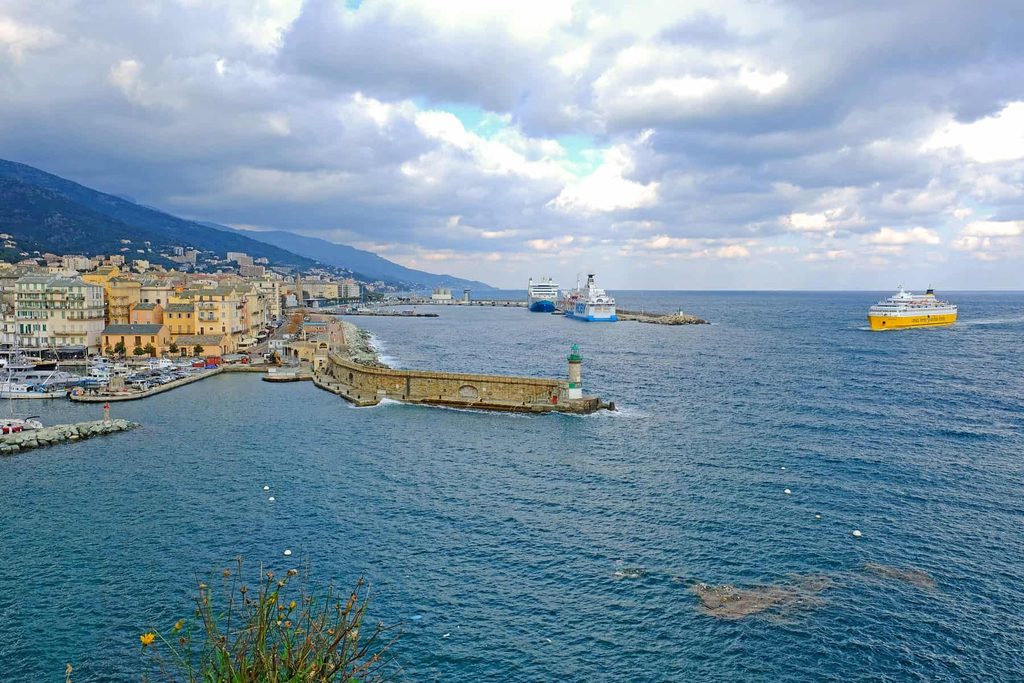
July and August are the most expensive months in Corsica, with August taking the crown. Unfortunately, the Island of Beauty is one of the pricier destinations in the Mediterranean, with costs fluctuating significantly depending on the season. In July and August, hotels, car rentals, flights and ferries all tend to charge premium rates, making a holiday considerably more expensive than it would be in June or September. If you’re travelling on a budget, moving your trip by just a few weeks can make a big difference.
> My Corsica money guide breaks down the real costs of day-to-day spending, as well as the travel expenses that you will encounter as a visitor.
HOW TO VISIT CORSICA WITHOUT BLOWING YOUR BUDGET
- Travel in the shoulder season. May, June, and September offer a more affordable alternative to the peak summer months. Winter is the cheapest period.
- Book your rental car and transport well in advance. Early reservation gives you more choice and can help avoid the high prices that come with last-minute bookings.
- Base yourself away from the most popular coastal destinations. Choosing accommodation just a few kilometres inland can make a significant difference to the price.
- Fly or sail midweek. Connections are often cheaper on weekdays, so try adjusting your travel dates.
- Choose self-catering accommodation and cook at home.
- When preparing meals, avoid purchasing premium-priced local specialities such as Corsican charcuterie, cheese, and wine.
- Consider camping. Corsica has numerous beautiful campsites in prime locations, making it an excellent budget-friendly option.
THE WORST TIME TO VISIT CORSICA IF YOU DON’T LIKE HEAT
July and August are the hottest months in Corsica, with average daytime temperatures around 27-28°C. Realistically, however, 30-33°C is what you are most likely to experience during the day. Heatwaves are possible during this period, although they tend to be short-lived, without the extreme 40°C peaks seen in many parts of mainland Europe. At night, temperatures usually drop to around 20-24°C (lower in the mountains), with a refreshing breeze blowing along the coast.
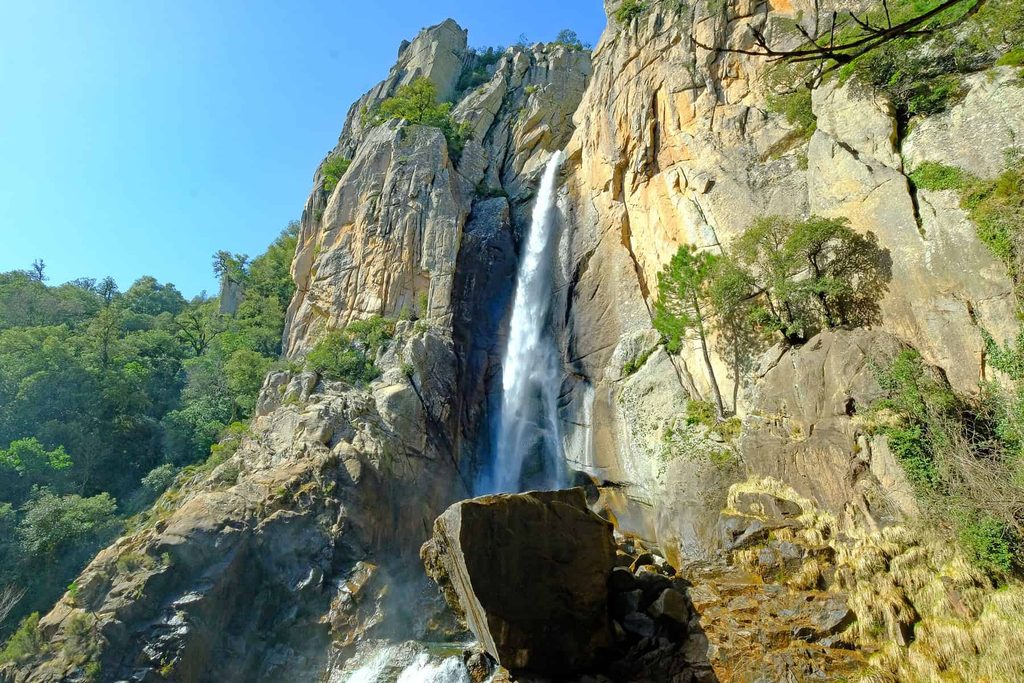
It’s important to note that Corsica has a surprising range of microclimates, including an alpine climate in the mountains. This means that on the hottest days, you can escape the heat by heading to higher elevations or cooling off in one of the island’s rivers, shaded by old forests. That makes Corsica one of the best Mediterranean destinations for a summer break- even when the coast feels scorching hot, cooler air is just a short drive away.
> To learn more about what the island is really like in August, consult this dedicated guide.
WHAT HAVE THE LAST SUMMERS REALLY BEEN LIKE?
The weather in Corsica has changed somewhat over the last few years. The heat tends to arrive around mid-June, with temperatures hovering around 30°C and occasional brief heatwaves. In mid-August, the heat starts to ease, with rain and thunderstorms becoming more likely in the mountainous interior.
THE WORST TIME TO VISIT CORSICA IF YOU WANT TO AVOID RAIN
After the dry summer, rain becomes a regular feature in Corsica from October to April. If you want to avoid wetter weather, these are the months to keep in mind, with November and December being the wettest, receiving up to 98 mm of precipitation. Depending on the year, annual rainfall averages around 700-900 mm, helping give the island its lush green character.
The mountainous centre receives the bulk of the rainfall, while the coast remains much drier. When temperatures drop, rain can turn to snow, covering the summits in a pristine white blanket perfect for snowshoeing and, in the right conditions, even skiing. One thing worth mentioning is that Corsica’s rainy periods are usually short but intense. And more often than not, the clouds quickly clear, giving way to the bright southern sunshine and intensely blue skies.
WHO WILL ENJOY CORSICA DURING THE RAINIER MONTHS?
- History and sightseeing fans
- Nature lovers
- Outdoor explorers and hikers (coastal trails)
- Couples
- Photographers
THE WORST TIME TO VISIT CORSICA FOR THE GR20
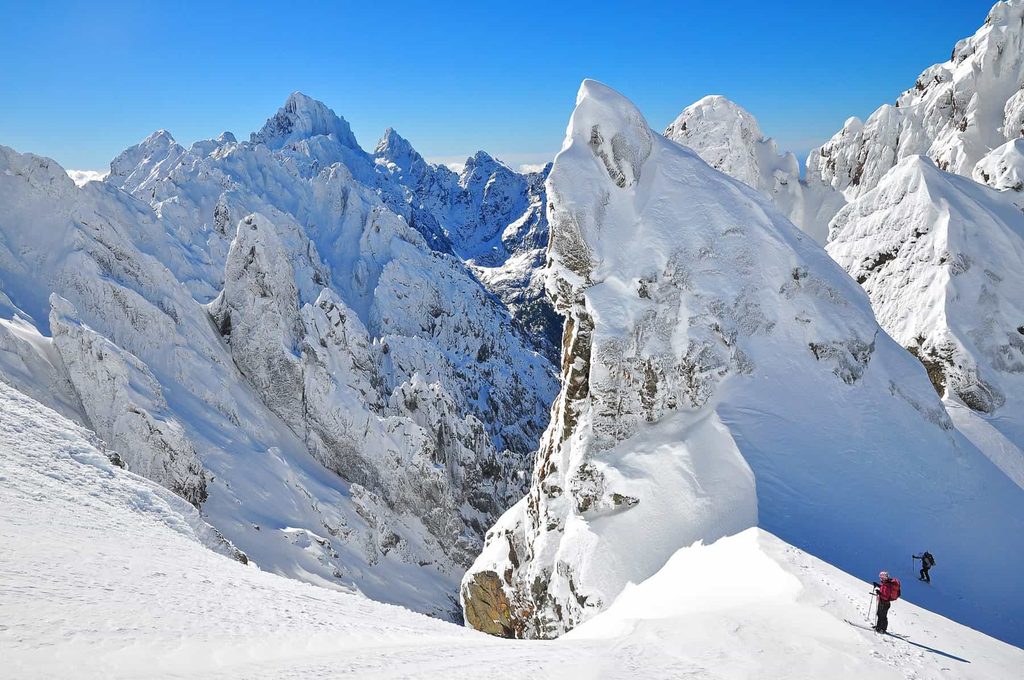
If you dream of conquering the famous GR20, known as Europe’s toughest long-distance trail, avoid the period from mid-October to the end of May. Although hiking in Corsica is possible year-round, the GR20 crosses high mountain terrain that can remain covered in snow well into spring. The refuges that welcome hikers are also only staffed from the end of May to mid-October, so if you rely on the trail infrastructure, including accommodation and meals, these services won’t be available outside this period.
CAN YOU STILL HIKE IN CORSICA OUTSIDE THE GR20 SEASON?
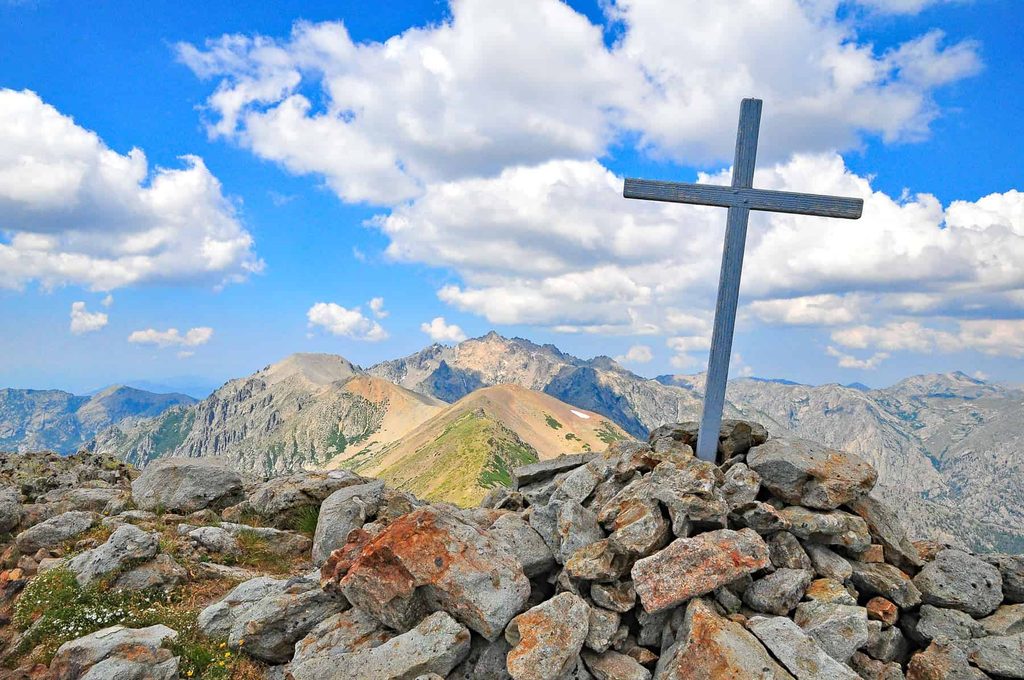
You can definitely enjoy scenic hikes outside the May-to-October period. Corsica is home to more than 1000 kilometres of well-maintained trails that cross an astounding variety of landscapes. During this time, instead of tackling the GR20, consider easier day hikes at lower altitudes or longer coastal trails.
> You may also consult my article about Corsica’s most beautiful hikes.
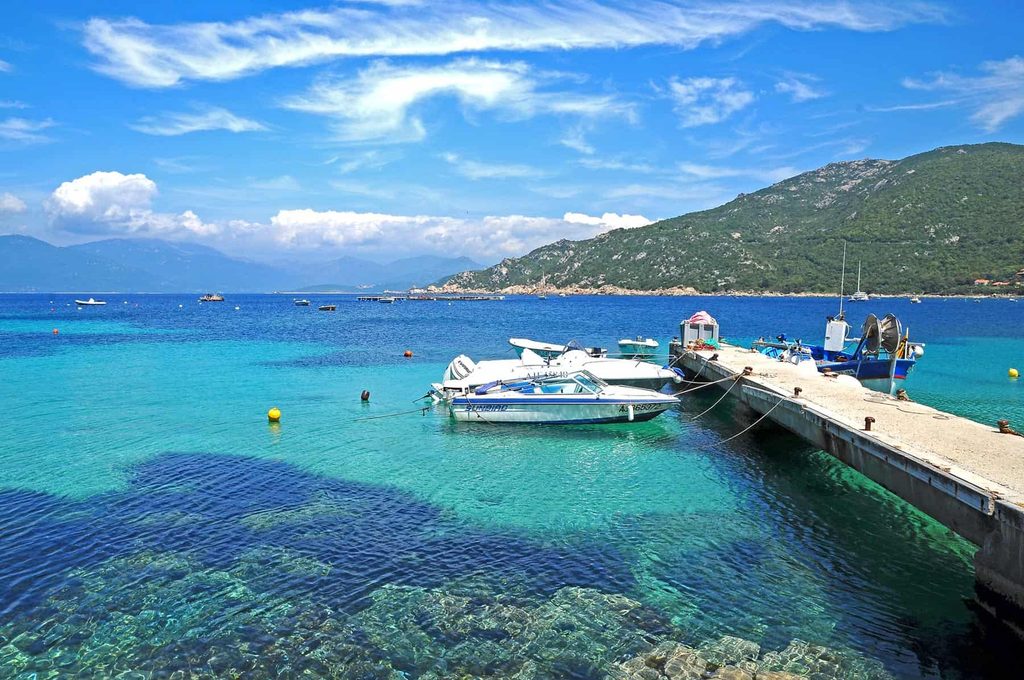
THE WORST TIME TO VISIT CORSICA IF YOU WANT TO ENJOY SWIMMING
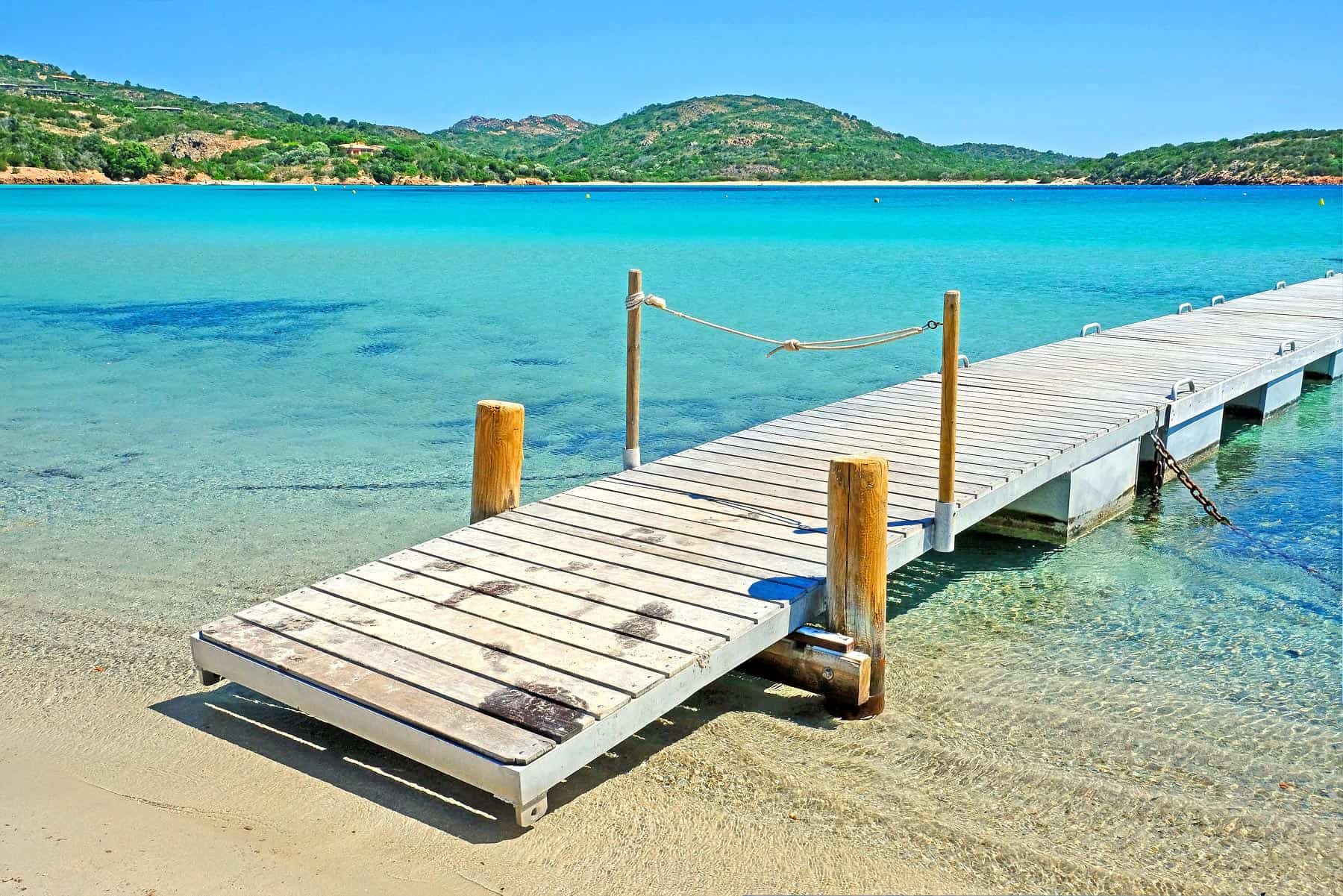
Beachgoers and watersports lovers planning a trip to Corsica should avoid the period between November and May, when the sea is cold and air temperatures drop. While the water can reach 30°C in August, as it has this season in 2026, temperatures fall to as low as 13°C in February. From experience, I know that many visitors from northern countries will happily swim in water this cold, but for most people, it is simply too uncomfortable for a leisurely dip, even in a wetsuit.
In October, sea temperatures still oscillate around 21°C, which is pleasant for the last refreshing swims before winter. May is similar- the water is cool, but with strong sunshine and already-warm weather, getting in for a splash can be surprisingly enjoyable. For the most comfortable swimming conditions, aim for June to September. The sea is balmy enough to stay in the water as long as you like.
WHEN TO ENJOY CORSICA’S RIVERS?
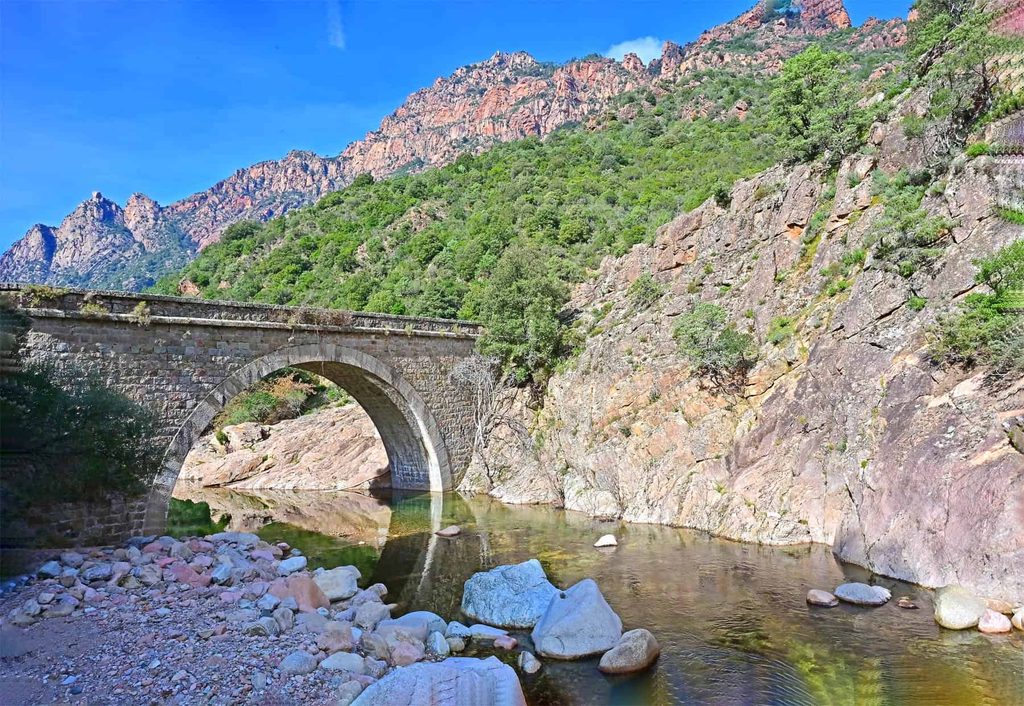
July and August are the best months to enjoy Corsica’s emerald-green river pools. Each river has its own character- some are surrounded by dense vegetation and shady forests, while others flow through dramatic granite canyons exposed to the sun. Water temperatures vary widely too. The Cavu, Tavignano, and Fango are known for their warm, pleasant pools, while the Asco and Restonica are much colder, making swimming more suitable for shorter dips.
SEASONAL DRAWBACKS IN CORSICA
SUMMER
- Heat
- Crowds
- High prices
- Busy roads
AUTUMN
- Possible rain
- Quieter atmosphere
- Shorter days
WINTER
- Seasonal closures
- Short daylight hours
- Colder weather
- Limited transport and activities
SPRING
- Unpredictable weather
- Cool sea
- Occasional rain
SO, WHEN IS THE BEST TIME TO VISIT CORSICA?
For most people, May, June and September are the best months to visit Corsica, while the ideal time depends on what you are looking for- whether that’s hiking, beach fun, lower prices, or a quieter, crowd-free escape.
If I were advising friends with only a week or two to experience the best of Corsica, I’d recommend the first half of June. You get warm weather, excellent conditions for both hiking and swimming, fewer crowds than in peak summer, and reasonable prices- for me, it offers the best overall balance.
But don’t write off the months I present as ‘the worst’ in this guide. Corsica has something to offer in every season, and often the quieter and cooler time reveals a side of the island that summer visitors never get to see. The table below will help you decide which season best matches the experience you’re looking for.
CORSICA BY MONTH – WHAT TO EXPECT
| MONTH | CROWDS | WEATHER | SWIMMING | HIKING | PRICES |
| January | Low | Cool/wet/snow | ✕ | Limited | € |
| February | Low | Cool/wet/snow | ✕ | Limited | € |
| March | Low | Changeable | ✕ | Limited | € |
| April | Low | Mild/changeable | ✕ | Good at lower elevations | € |
| May | Low | Mild/windy | ✓ Cool | Very good | €€ |
| June | Medium | Warm | ✓ | Excellent | €€ |
| July | High | Hot | ✓ | Good/Hot | €€€ |
| August | Very high | Hot | ✓ | Good/Hot | €€€ |
| September | Medium | Warm | ✓ | Excellent | €€ |
| October | Low | Mild/ changeable | ✓ Cool | Good | € |
| November | Low | Wetter/changeable | ✕ | Limited | € |
| December | Low | Cool/wet/changeable | ✕ | Limited | € |
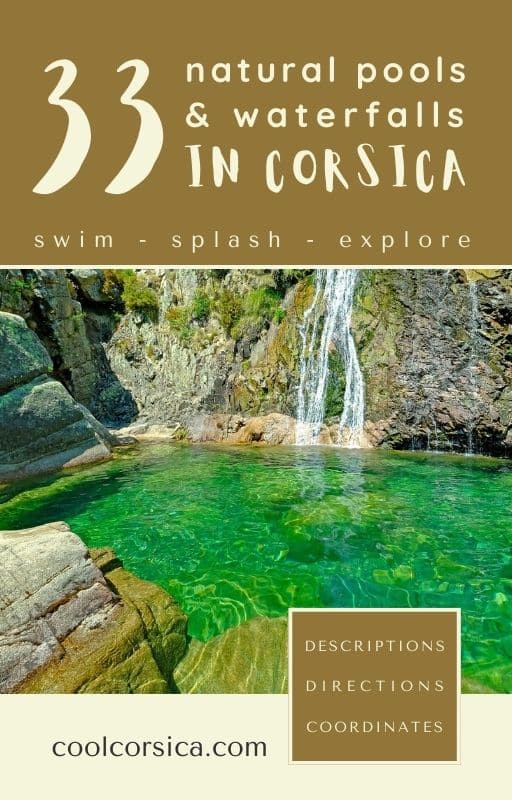
TRAVELLER’S COMPANION FOR A TRIP TO CORSICA – GRAB YOUR EBOOK!
33 Natural Pools and Waterfalls in Corsica
Descriptions – Directions – Coordinates
VISIT CORSICA’S NATURAL POOLS – GRAB YOUR E-GUIDE
Discover Corsica’s natural pools and waterfalls with a concise guide featuring 33 stunning river spots across the island. Perfect for wild swimming, family outings, and nature exploration, it provides clear access details, GPS parking coordinates, and nearby attractions. From peaceful basins to dramatic cascades, it helps you safely navigate the island’s rugged landscapes and uncover hidden gems beyond well-trodden tourist paths. Great for planning outdoor adventures, this practical 51-page eBook may be your companion on a journey to Corsica’s pristine rivers.
YOU MAY ALSO LIKE
- Where to stay in Corsica – best places and areas for your visit
- Corsica’s best beach hotels and top coastal locations
- Renting a car in Corsica – complete guide for visitors
- Best hotels in Ajaccio – where to stay in Corsica’s capital
- Where to stay in Porto Vecchio – best hotels & areas for your Corsica trip
- Best places to stay in Corsica for couples
- Corsica – where to go and what to do
- Visiting Corsica – how to get there
- Is Corsica an expensive travel destination – money guide for visitors
- Getting around Corsica – do you need a car?
- Don’t expect this in Corsica – 20 surprising facts for visitors
- Top 3 destinations for a car-free holiday in Corsica
- Corsica or Sardinia? Find your dream Mediterranean escape
- Is Corsica a safe place to visit – travel advice and tips
- What to avoid in Corsica – 11 common mistakes
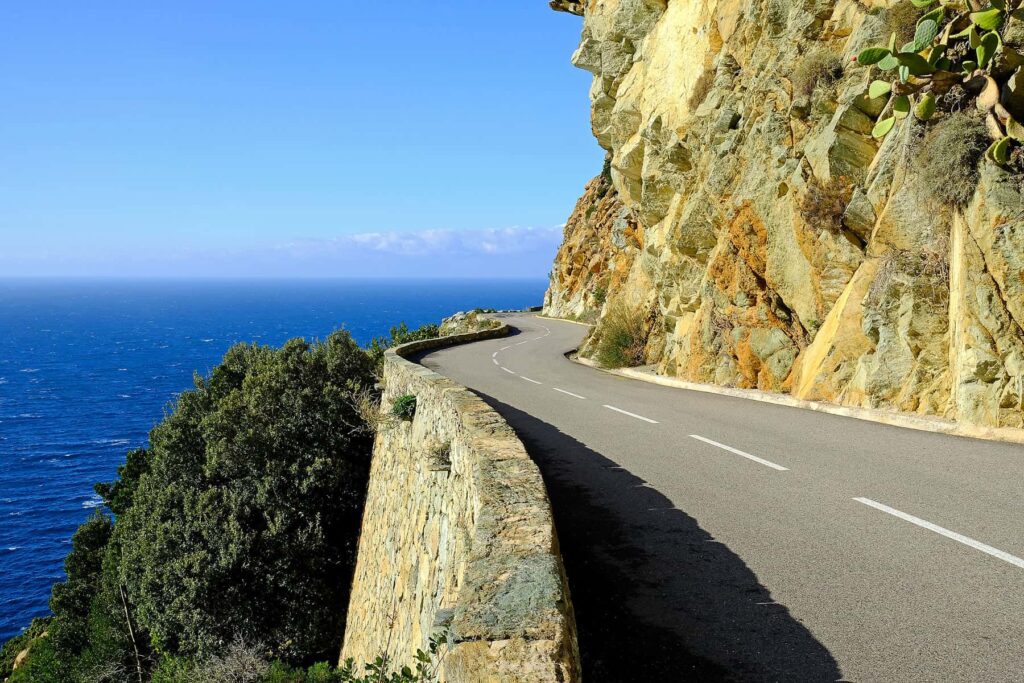
- Driving in Corsica – tips and scenic routes ideas
- Is Corsica too hot in August? What to expect
- Visiting Corsica in winter – the ultimate travel guide
PLANNING A TRIP TO CORSICA? CHECK OUT THESE RESOURCES!