
I’m often asked, ‘What are Corsicans really like? Are they friendly to visitors?’ These are fair questions- this island sparks as much curiosity as it does admiration. Corsica’s people have a reputation shaped by centuries of tradition and a strong sense of identity. To understand them is to look beyond first impressions and appreciate how history, alliances, and land weave through their life.
I recently attended a charming event held for a departing parish priest- a gathering that drew together a real mix of people- locals, mainland French, and foreigners. With such a diverse crowd, it felt like the perfect moment to do a quick, informal survey and ask what qualities come to mind when they think of Corsicans.
The three traits mentioned most often were attachment to family, honour, and loyalty in friendship. To paint an even clearer picture in this article, I’ve compiled a full list of eighteen characteristics that capture Corsicans’ true spirit.
This page contains affiliate links meaning I get a commission if you decide to make a purchase through my links, at no extra cost to you. Click here to learn more.
PLANNING A TRIP TO CORSICA? CHECK OUT THESE RESOURCES!
1. FAMILY-ORIENTED
In Corsica, family is the heart of social life with close ties extending across multiple generations. Elders hold a place of deep respect and play a pivotal role in decision-making or providing support. Shared meals, particularly during major feasts and celebrations, are an occasion to gather, cook together, and exchange news. Kids are universally cherished and enjoy remarkable freedom within this close-knit structure. The strength of family ties reflects not only cultural and religious traditions that value solidarity, but also practical realities in an economy where living together assures relief with childcare and everyday responsibilities.
2. PROUD OF THEIR IDENTITY
Corsicans take great pride in their identity and heritage, often highlighting it to distinguish themselves from the French mainland. Their history spans ancient civilisations, periods under Pisan and Genoese rule, and eventual French governance, forming a culture that stands apart.
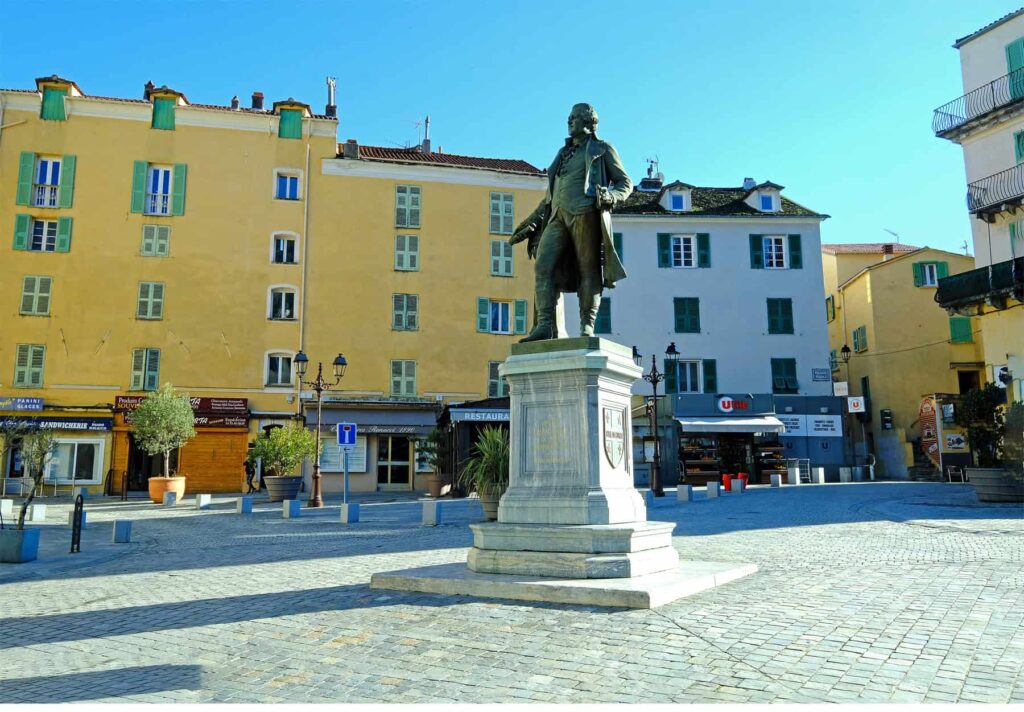
The Corsican language (Corsu), polyphonic music, and a flag featuring the Moor’s head reinforce this unique patrimony. Historic figures such as Pasquale Paoli, the hero of the 18th-century independence movement, remain ever present, commemorated in town squares and shared memory. From the moment you arrive, you will quickly sense this unapologetic generational attachment in daily life.
3. ROOTED IN TRADITIONS
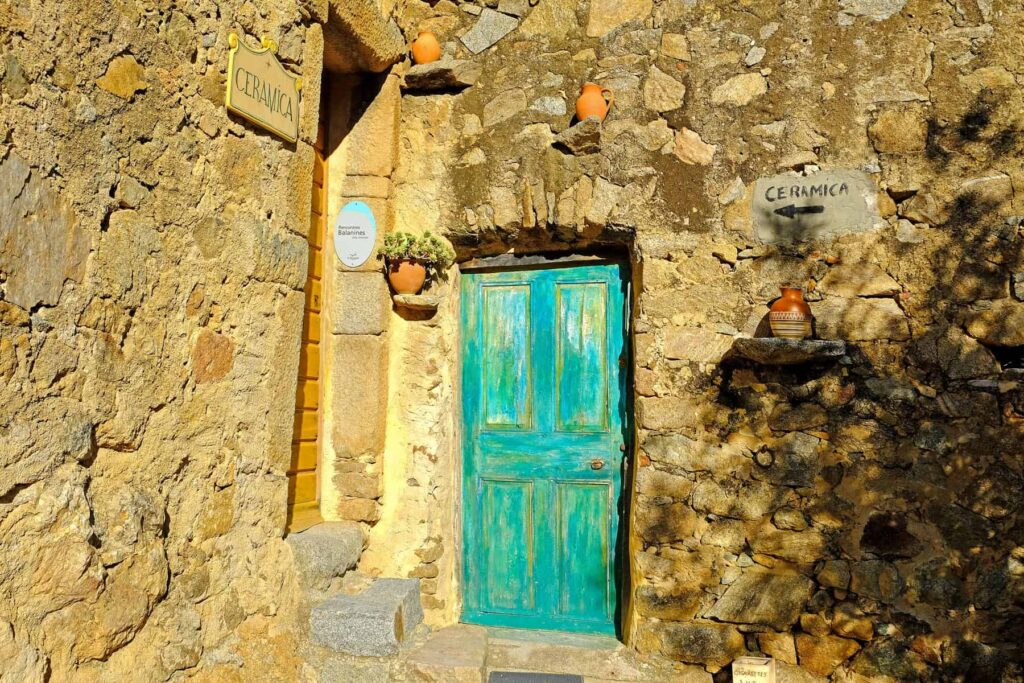
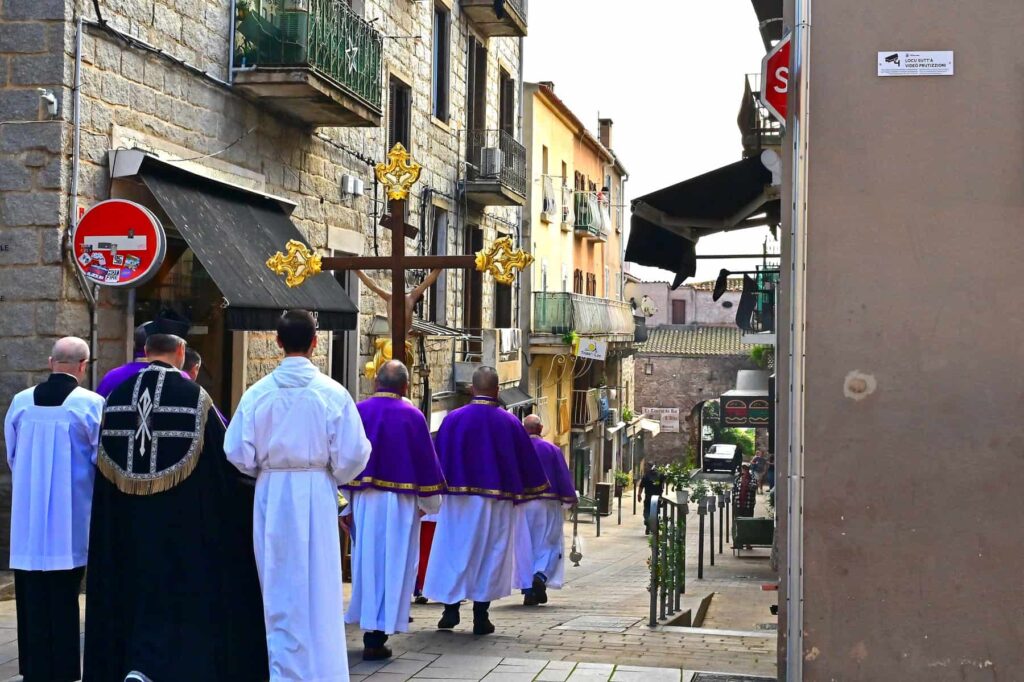
Corsicans remain firmly connected to their traditions, giving the island its timeless, authentic atmosphere, most pronounced in remote mountain regions. These customs anchor the community in fraternal bonds, sustaining shared identity. Stone-built villages come alive with festivals celebrating Corsica’s distinctive polyphonic singing, an experience found nowhere else. Local artisans still craft cheese, wine, olive oil, and charcuterie according to age-old methods, preserving the island’s ancestral know‑how.
Religious events, such as the moving Sartène procession where a hooded penitent walks silently through the night, evoke ancient rituals. Meanwhile, the melodic Corsu language, taught in schools and cherished by all generations, continues to resist outside influence.
4. INDEPENDENT AND FREEDOM-LOVING
Corsica’s history is defined by a relentless struggle against foreign domination that shaped its image as a fiercely independent and freedom-loving nation. A notable historic event, the Independence Wars, began in 1729 with a revolt against the Genoese, leading to decades of conflict and resistance. In the 20th century, Corsican nationalist groups like the FLNC carried this spirit into a new era, launching a guerrilla campaign from the 1970s to demand greater autonomy from France.
Today, that pursuit continues through political and legal means, as Corsican representatives advocate for constitutional autonomy, official status for the Corsu language, and referendums creating the island’s future within the French Republic.
5. LOYAL IN FRIENDSHIP
When a Corsican becomes your friend, you can count on loyalty and reliable support in both good and difficult times. Once crises arrive, they show up without hesitation, ready to aid, offering help and genuine attention. Slow to judge, they volunteer honest advice as well as practical assistance- whether that means giving you a lift when transport options are scarce or helping care for someone in need. Friendships and strong emotional ties are, without doubt, encouraged by closeness in neighbourhoods and shared experiences.
6. HOSPITABLE
Corsicans hold a deep affection for their island and take pride in sharing its culture with curious visitors. As tourism sustains much of the local economy, they are accustomed to welcoming travellers through communal meals, village feasts, or seasonal celebrations. Conversations arise easily here- especially with elders in rural areas, who delight in retelling stories of the past, though French is usually needed to communicate. On hiking trails or quiet streets, Corsicans greet passersby with a kind bonjour or sometimes pause for a longer chat. Though generally more reserved than their Italian neighbours, their warmth and sincerity leave a lasting impression.
7. SINCERE
Corsicans tend to forgo the subtle diplomacy common in Anglo‑Saxon cultures- they are straight-talkers and say what’s on their mind without filter, even if unpopular. Conversations skip over small talk and go straight to substance, from personal matters to global issues, delivered with unvarnished truth. This refreshing directness fosters simpler, authentic relationships, though it can initially unsettle more cautious people accustomed to conflict-dodging politeness.
8. HONORABLE
Throughout history, Corsicans have demonstrated fierce commitment to their values and deep inner integrity, regardless of consequences. Sticking to unwavering principles inspired acts of great courage able to change the island’s destiny, but also fueled long cycles of vendetta– the multi-generational feuds between rival clans, rooted in family honour. Equally serious was the breach of omertà, the traditional code of silence that forbade cooperation with outside authorities and insisted that conflicts and justice be handled within the community. Betraying this custom was seen as one of the gravest forms of dishonour.
9. ATTACHED TO LAND
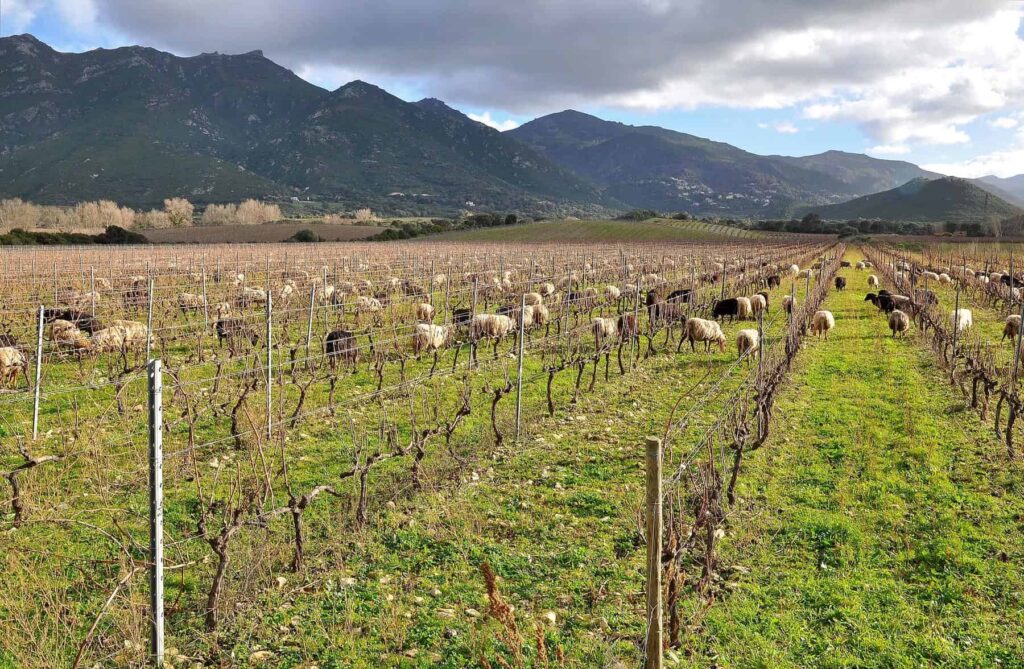
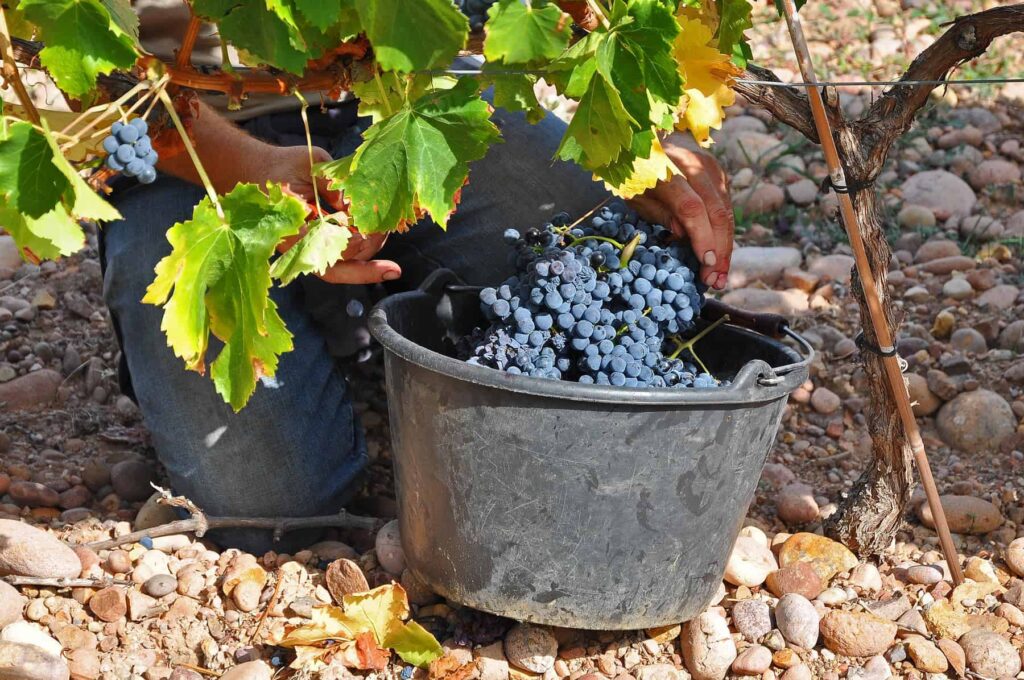
Attuned to nature’s rhythm, Corsicans carry their attachment to the land in their very blood. Centuries of pastoral farming, artisanal cheese-making, and vine cultivation have instilled a sense of stewardship toward the island’s natural heritage. Local producers lead the way in organic and sustainable practices- the Calvi wine appellation, for instance, now operates entirely under eco-friendly principles. Nearly 40% of Corsica lies within the Regional Natural Park, a sanctuary protecting forests, gorges, lakes, and wildlife, including the UNESCO‑listed Scandola Reserve and the spectacular valleys of Restonica and Fango.
10. COURAGEOUS
Corsicans could not have preserved their distinct heritage and unity through the centuries without excelling in one of their most defining virtues- courage. History brims with acts of remarkable bravery- Sampiero Corso’s long campaigns against Genoa, Jean‑Pierre Gaffory’s insurrection, and Pasquale Paoli’s leadership during the War of Independence (1755–1769). During the Second World War, heroism, once again, stood against the oppression through the Resistance that mobilised over 10000 partisans. In September-October 1943, they sabotaged German and Italian occupiers, blocked roads and defended the Teghime and San Stefano passes, enabling the island’s liberation as France’s first free department.
11. STRONG-WILLED
Courage goes hand in hand with another trait- determination. Corsicans are known for their strong will, which at times can even border on stubbornness. Once they set their sights on a goal, they consequently follow all necessary steps to achieve it, rarely deterred by obstacles. Opposition or discouragement from others only strengthens their resolve. This unyielding attitude also explains their resistance to change and a deep attachment to tradition, both of which help preserve the island’s character.
12. LAID-BACK
Corsica is free of pretence and superficiality- the locals are laid‑back, genuine, and very down‑to‑earth. They speak with honesty and simplicity, without an exaggerated sense of importance or showing off, perfectly at ease in their own skin. The dress code is also very relaxed, partly due to the hot and sunny weather that favours comfort over design. Visitors and holidaymakers find this easy-going vibe liberating, and enjoy discrete, low-key recreation paired with Corsica’s understated charm.
13. INITIALLY CAUTIOUS YET WARM WHEN TRUST IS EARNED
Corsicans may appear reserved at first, but once trust takes root, you’ll find warm, caring, and attentive hosts. This initial caution stems from life in close communities, where clear boundaries have ensured mutual comfort and respect. Once those walls come down, connections feel deep, sincere, and lasting. Many travellers leave the island with fond memories of meaningful conversations or unexpected companionship on mountain trails, moments that reflect locals’ generous cordiality.
14. INDUSTRIOUS AND RESILIENT
Corsicans have mastered the art of endurance and adaptation. A turbulent history with periods of military struggle, pirate raids, famine and social hardships has forged an industrious, self-reliant, frugal community committed to sustaining their livelihoods against all odds. An economy built largely on tourism and agriculture, vulnerable to changing political and climatic conditions, continues to evolve with remarkable resilience in a resource-scarce environment where mountains occupy much of the territory. However, problems relating to insularity still exist, the main ones being an elevated unemployment rate and high living costs.
15. COMMUNITY-MINDED
Corsicans form a community-centred small society that encourages strong social bonds, cooperation, and a sense of responsibility among its members. People know their neighbours, the postman, or local service providers by name, in a familiar environment where everyone looks out for one another. Anonymity simply doesn’t exist here, a surprise, perhaps, for visitors from large cities who may find this close-knit setting too intense at first. Yet the advantages are impossible to overstate- a deep feeling of safety, minimal petty crime, and a genuine support network that’s always ready to help when needed.
16. HOMEBODIES
Corsicans find fulfilment in staying close to their homeland and are reluctant to move away. Although young people often pursue studies on the continent where they have broader career opportunities, they sustain a close connection with family and the native village, visiting often. People who emigrated for professional reasons often keep a secondary residence in their childhood area and come back for summers and holidays, to eventually retire in their senior years among those who share the same values. It’s a lifestyle centred on home and meaningful relationships in a safe, stable environment.
17. ANIMAL-LOVING
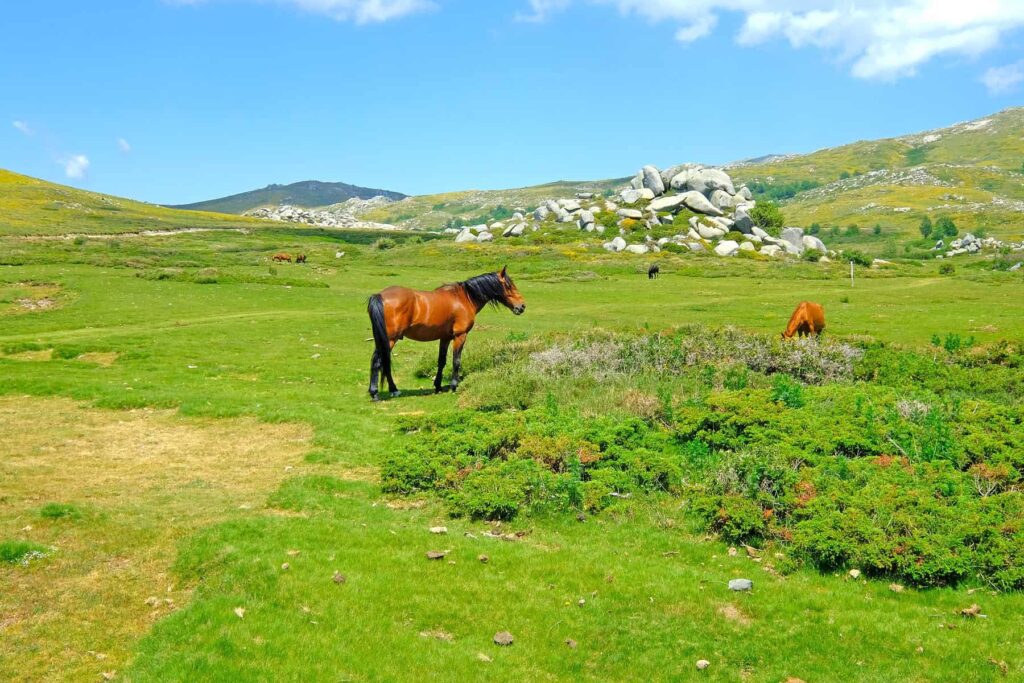
You will struggle to find a Corsican who doesn’t love and respect animals. Due to their rural heritage, locals have developed a deep attachment to native fauna species, particularly traditional breeds such as porcu nustrale (Corsican pig), goats, cows or sheep that have sustained life for millennia. While livestock assured survival for generations of Corsicans, donkeys helped with labour and transport on steep terrain. Here, you will also come across the cursinu, a native hunting and guarding dog, cherished for its loyalty and intelligence. For a glimpse of free-roaming horses thriving in their natural habitat, visit Plateau de Coscione, a verdant landscape that captures the island’s enchanting harmony between people and nature.
18. SPORTY
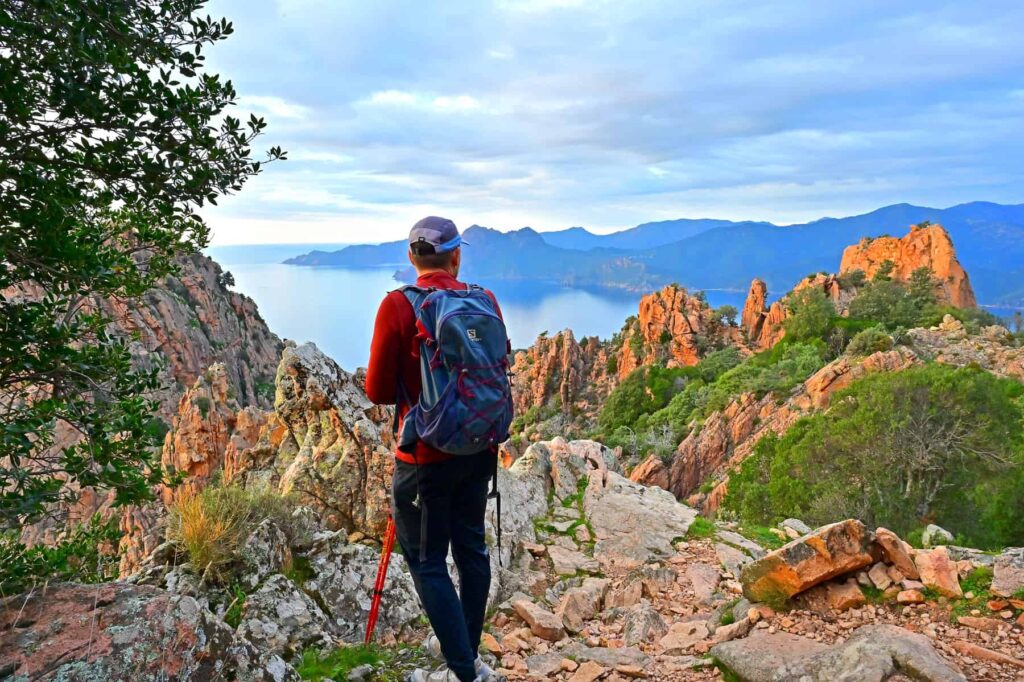
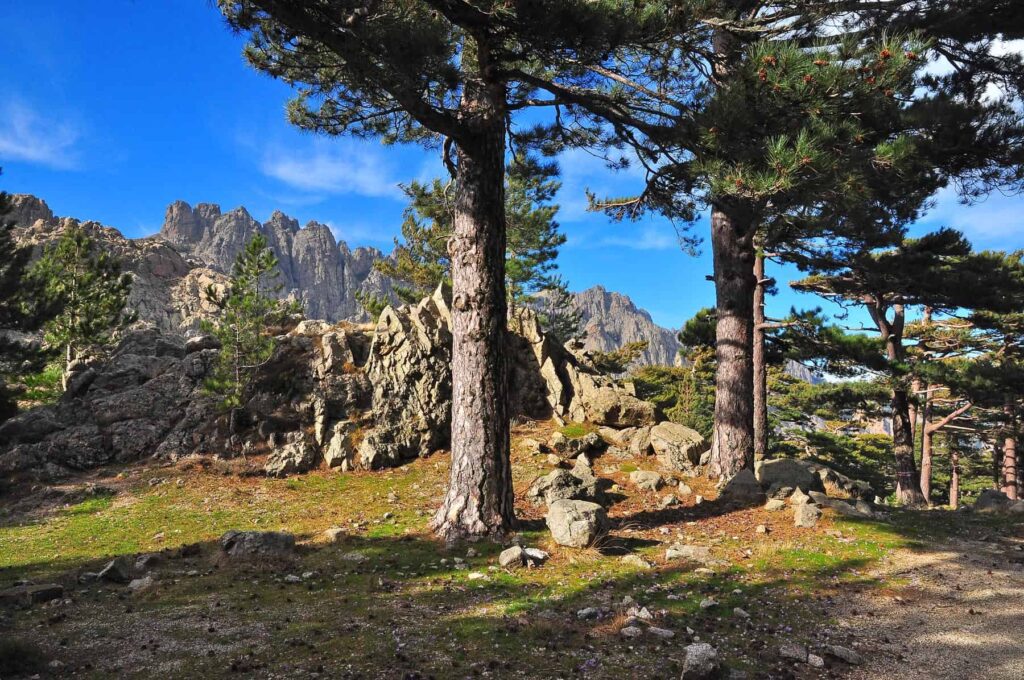
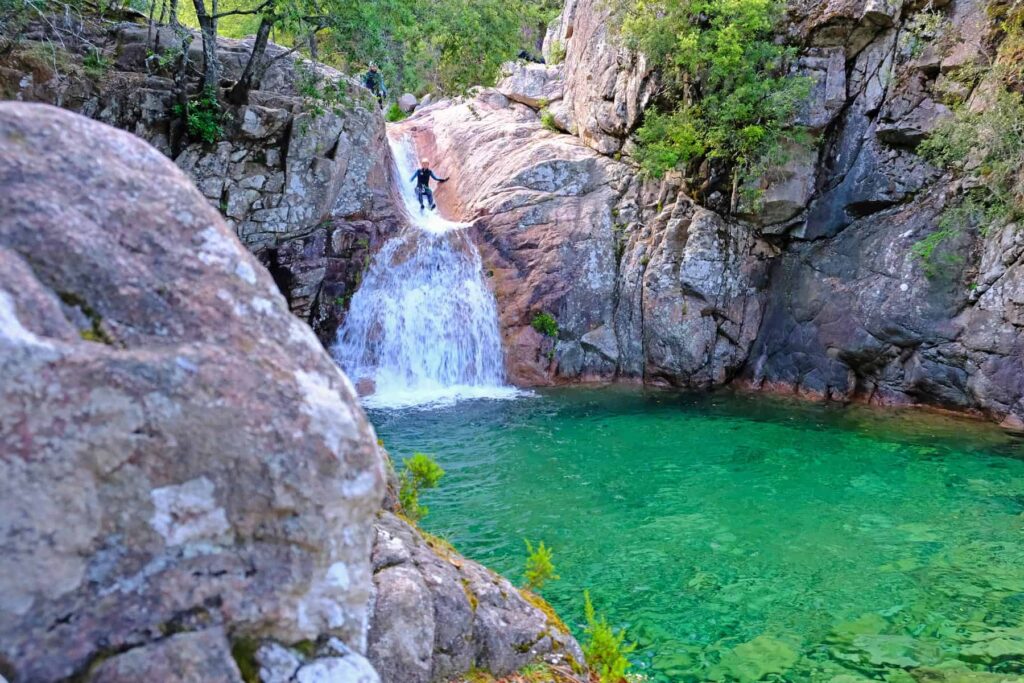
Corsicans embrace an active outdoor lifestyle, swapping screen time for adventures in nature. In summer, the coastline fills with locals enjoying swimming, diving, and boating, while the cooler months draw them inland to the mountains. Trails, like the legendary GR20, lead through rugged peaks, crystal rivers, and scenic waterfalls. When winter dusts the highlands with snow, families head to small ski stations for downhill runs with views of the Mediterranean.
Sport is also a shared passion- from cycling events, such as the GT20, to trail running and open-water swimming competitions. From childhood, Corsicans grow up outdoors, learning that recreation is not only about health, but also community and connection with the land.
YOU MAY ALSO LIKE
- Corsica’s best beach hotels and top coastal locations
- Where to stay in Corsica – best places and areas for your visit
- Best places to stay in Corsica for couples
- Corsica – where to go and what to do
- Ferries to Corsica – practical guide to booking your crossing with Corsica Ferries
- Visiting Corsica – how to get there
- Is Corsica an expensive travel destination – money guide for visitors
- Getting around Corsica – do you need a car?
- Top 3 destinations for a car-free holiday in Corsica
- Corsica or Sardinia? Find your dream Mediterranean escape
- Is Corsica a safe place to visit – travel advice and tips
- What to avoid in Corsica – 11 common mistakes
- Driving in Corsica – tips and scenic routes ideas
- Visiting Corsica in winter – the ultimate travel guide
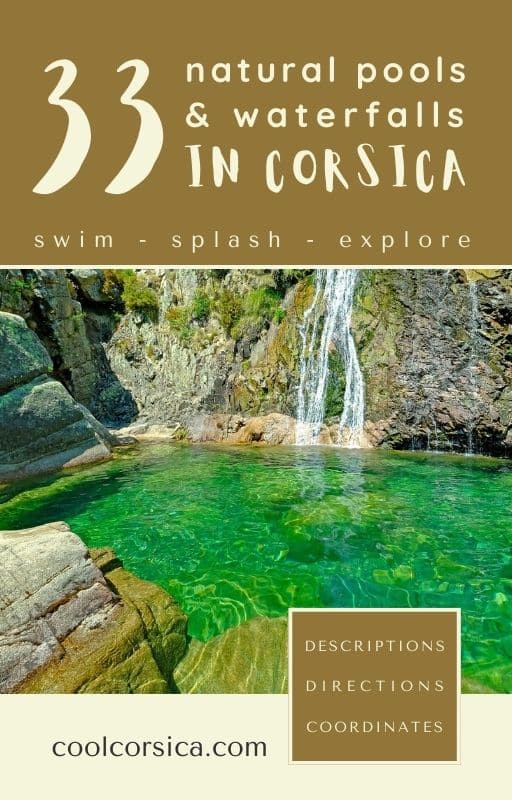
TRAVELLER’S COMPANION FOR A TRIP TO CORSICA – GRAB YOUR EBOOK!
33 Natural Pools and Waterfalls in Corsica
Descriptions – Directions – Coordinates