
With Middle East tensions escalating, travel disrupted, and flights cancelled across the region, Corsica stands out as a stable Mediterranean haven. This French island offers paradisiacal beaches, majestic mountains, and a vibrant culture, all reachable via reliable EU air and sea routes.
Global tourism is experiencing a significant shift where savvy travellers prioritise worry-free holidays without unexpected delays, airport closures and security risks. They pivot to safer destinations away from the chaos and conflict, swapping the buzzing far-flung hot spots for sun-soaked European retreats.
Places like mainland Spain and the Canary Islands are seeing booking surges, yet they often suffer overtourism and package-holiday crowds. Corsica remains the Med’s hidden gem with balmy weather, welcoming ambience, and pristine nature. This article breaks down why it delivers the perfect stress-free escape amid global turmoil- a great travel alternative for those seeking peace, beauty, and authentic adventure.
This page contains affiliate links meaning I get a commission if you decide to make a purchase through my links, at no extra cost to you. Click here to learn more.
PLANNING A TRIP TO CORSICA? CHECK OUT THESE RESOURCES!
SKIPPING THE RISK
Corsica is a French island located in the peaceful western Mediterranean Sea, around 170 kilometres southeast of Côte d’Azur and 90 kilometres west of Tuscuny on the Italian Peninsula. Known as one of the safest travel destinations in the Mediterranean, it grants visitors a secure, relaxed getaway. It’s a safe place for solo travellers and families, also boasting a strong healthcare system, an important factor for seniors and disabled voyagers.
With Gulf regions under travel bans amid heightening tensions, Corsica provides stability and a low-risk environment. The complete absence of permanent US military bases on the island or mainland France significantly mitigates retaliation risks from adversaries targeting American installations.
Corsica hosts only French-operated facilities, like the Solenzara Air Base, used for NATO tactical training. It reduces the island’s strategic visibility, lowering the likelihood of it being drawn into geopolitical escalations or hybrid warfare scenarios. Corsica has also avoided indirect risks like migration pressure.
Staying within the EU reduces concerns about regional conflict, security alerts, and sudden travel restrictions that currently affect parts of the Middle East.
RELIABLE LOGISTICS
Corsica benefits from dependable air and sea routes within Europe, providing stable and efficient access unaffected by Middle East travel disruptions.
FLIGHTS
The island’s airports in Ajaccio, Bastia, Calvi and Figari are connected by daily flights from major French hubs like Paris, Nice, Marseille, or Lyon, and other European cities, making it a convenient swap for cancelled longer‑haul trips.
Direct flights take from 45 minutes to 2 hours, with tickets often well under €100 in low season (although air fares are bound to rise with a surge in oil prices). New investments in winter and off-peak routes, with subsidies for 250.000 seats annually from the Corsican Regional Authority, make air access easier and cheaper than ever.
For detailed flight schedule information, see my getting-to-Corsica guide. Once here, rent a car to explore the island’s remote corners, the most rewarding part of any visit, since best-kept secrets are rarely accessible by limited local transport. If you prefer going without a vehicle, check my 3 best Corsica destinations for a car-free vacation article, plus the getting-around Corsica guide.
FERRIES
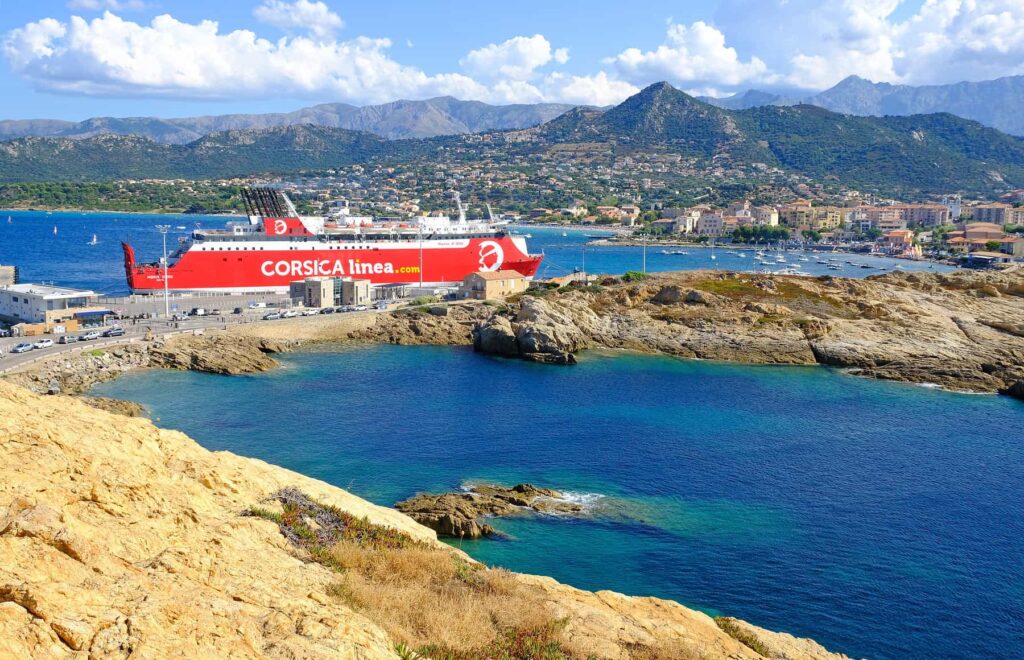
You can also reach Corsica by sea. Year-round sailings make it a scenic alternative to flying. Corsica’s 6 ferry ports in Ajaccio, Bastia, Ile Rousse, Porto Vecchio, Propriano, and Bonifacio connect directly to major Mediterranean towns. From France (Nice, Toulon, Marseille), Italy (Livorno, Genoa, Savona), and Sardinia (Santa Teresa di Gallura), day and night crossings range from 50 minutes to 16 hours, with operators like Corsica Ferries, Moby Lines, La Méridionale, and Corsica Linea. Onboard, you have access to cabins (from €30 off-peak), dining, kids’ areas, and pet-friendly facilities (public access or kennels).
STABLE WEATHER
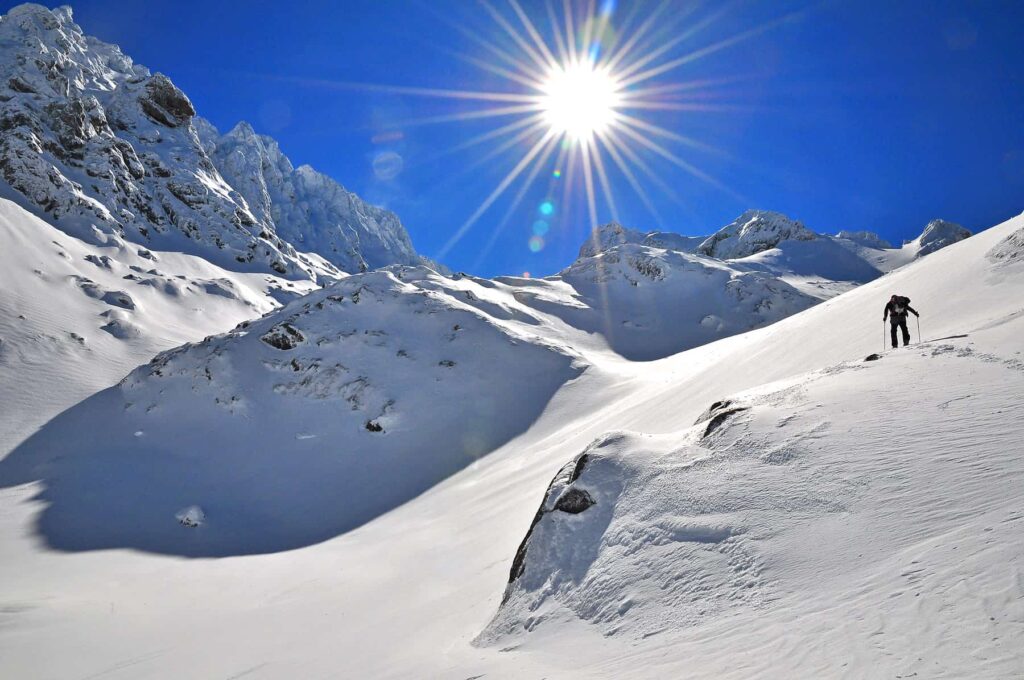
Corsica’s Mediterranean climate delivers nearly 300 sunny days yearly, making the island a great option for those who thrive in warm, bright weather. Winters on the island are mild, but the high-altitude mountains may receive decent snow cover, permitting skiing in 3 small stations. With short distances, you can surf the white slopes of Asco in the morning and beach-hop along the shore in the afternoon.
Summers are dry and hot, but heatwaves rarely become extreme or long-lasting, as the persistent coastal breeze successfully refreshes the air. Shoulder season- spring and autumn- is the best time for a visit, with just the right balance of stable, moderate conditions and pleasant sea water temperatures.
AFFORDABLE LUXURY VOID OF MASS-TOURISM
Corsica has become one of Europe’s best destinations for affordable luxury, trading the opulence of Gulf resorts or the Balearics’ party scene for quiet sophistication. The island’s appeal lies in its understated charm- there are no mass-tourism hubs or artificial glamour, just a natural elegance that attracts those who value discretion and authenticity.
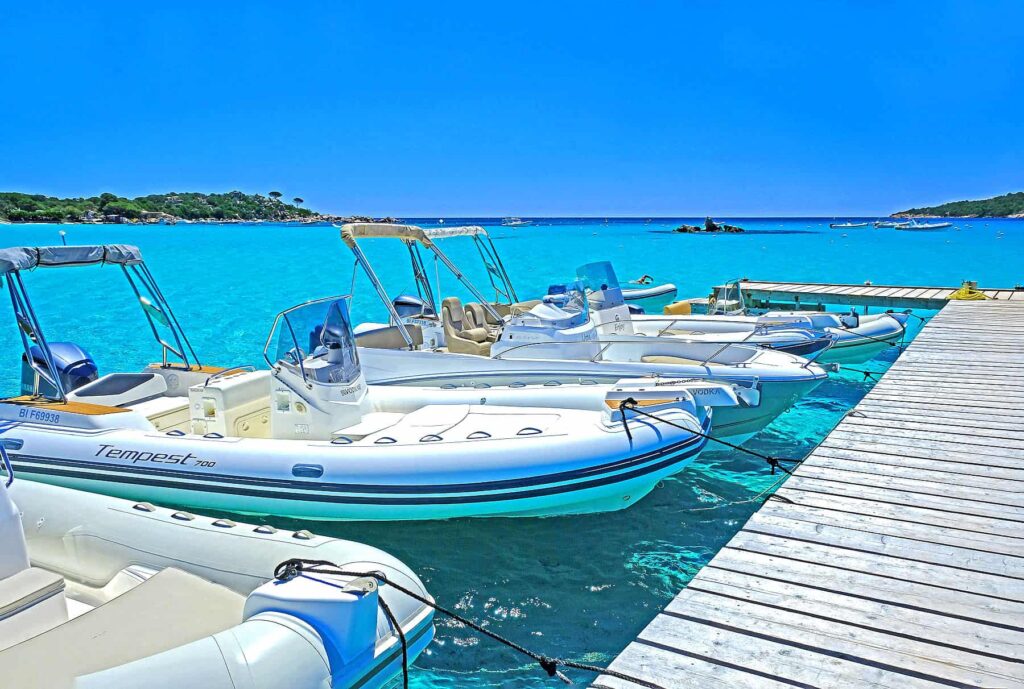
Its world-class five-star hotels, like Casadelmar, Villa Calvi, Misincu, Grand Hotel de Cala Rossa, Hôtel & Spa Version Maquis Citadelle, or Hotel Le Maquis, blend seamlessly into the landscape, while catamaran charters and skipper-led boat trips give access to hidden coves and azure, crystal waters. Corsica’s dining scene celebrates local flavours with restaurants serving refined yet genuine cuisine sourced from nearby farms and fishing villages. Celebrities and VIPs often retreat here for the privacy and low-key chic the island is known for.
Yet, Corsica isn’t, by any means, exclusive or inaccessible- budget-friendly hotels and beautifully run seaside and mountain campgrounds provide comfort and style without pretence. What makes its luxury truly affordable is the fact that its greatest treasure, the island’s wild, unspoilt nature, is free to everyone.
BEACHES THAT BEAT EXPECTATIONS
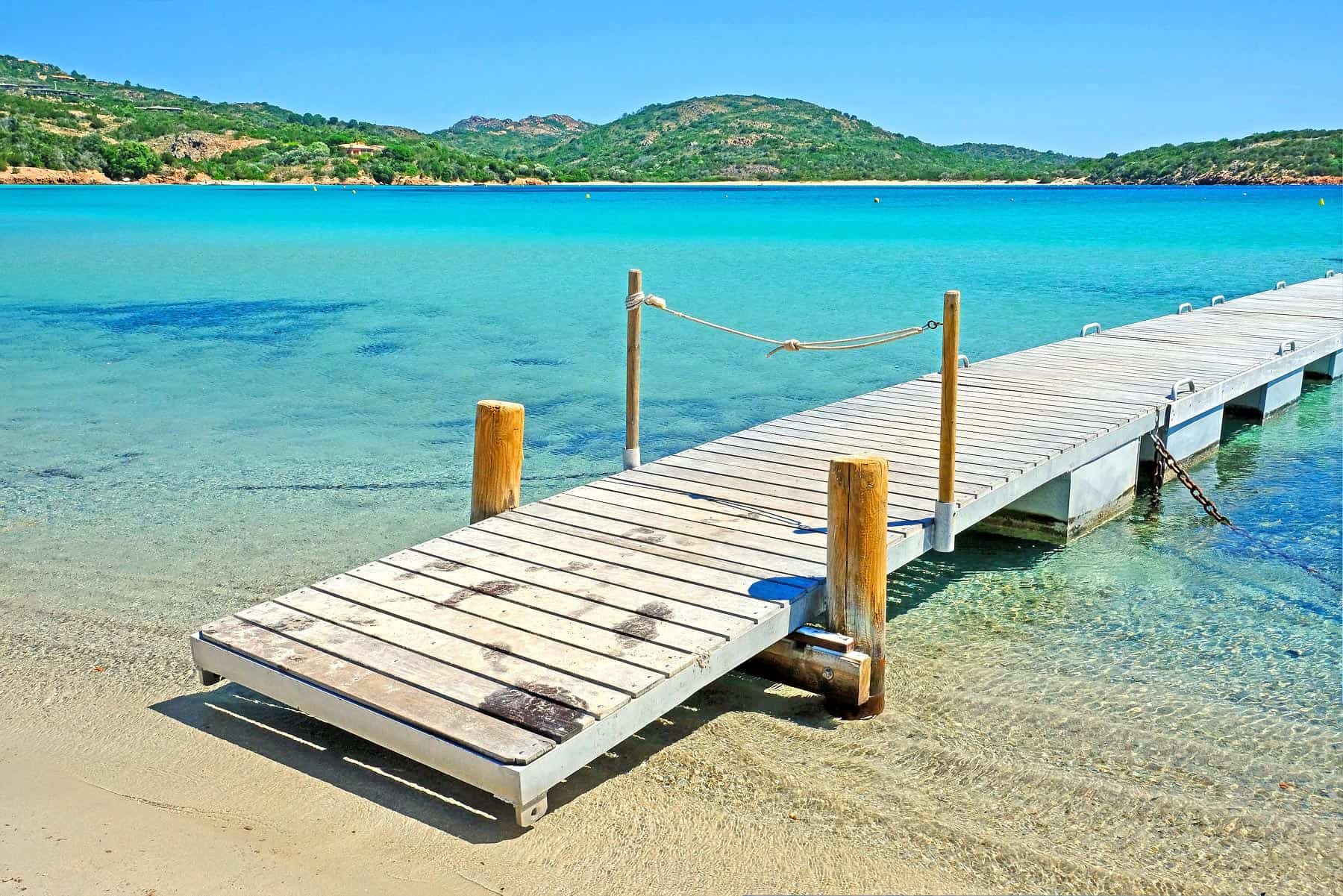
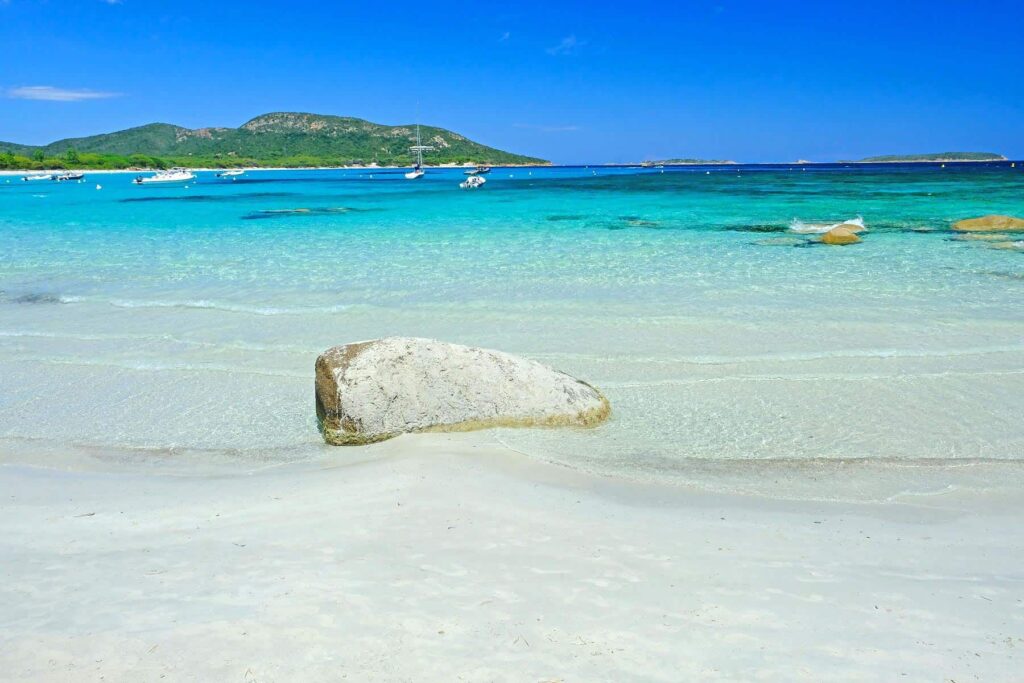
Swap crowded Dubai resorts for Palombaggia or Santa Giulia’s turquoise bays- voted among Europe’s finest, with powdery sand and clear, shallow waters safe for swimming and snorkelling. Corsica’s stunning bays and hidden coves rival Seychelles or the Maldives, without the 10-hour flight.
The Porto Vecchio region in the southeast is a true tropical-style paradise with some of the island’s most attractive beaches dotting the surrounding coastline. Other great places to enjoy the same idyllic sea-and-sun experience are Calvi, Ile Rousse or Ajaccio. Lovers of nature, craving solitary wilderness and dramatic, pristine shores, will be drawn to the Cap Corse peninsula, Desert des Agriates, and the awe-inspiring Porto area.
MOUNTAINS FOR DAY TRIPS
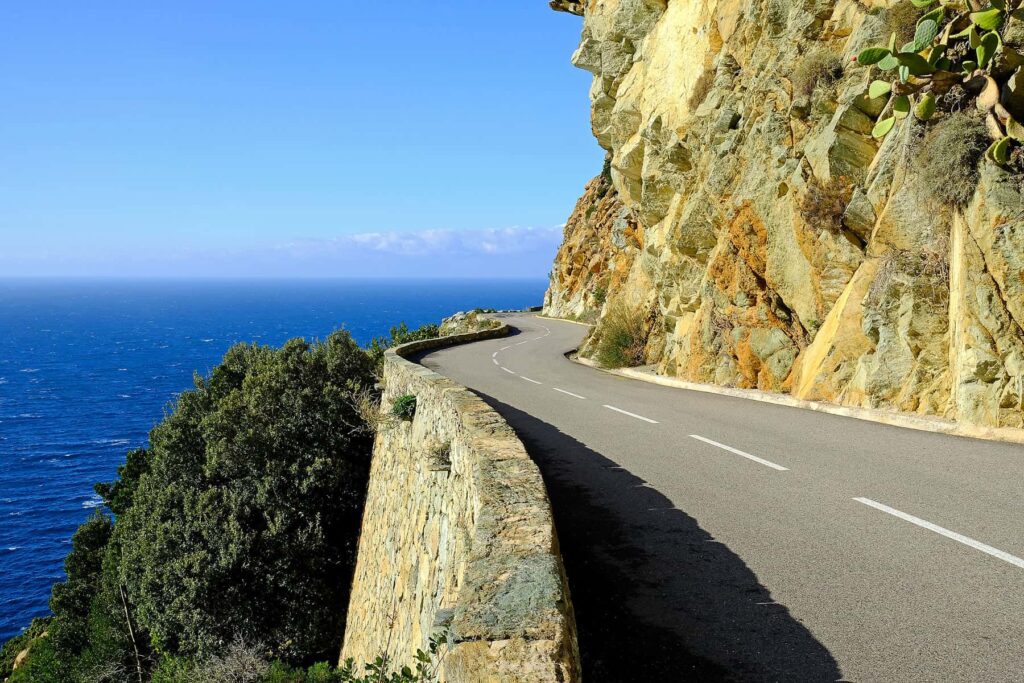
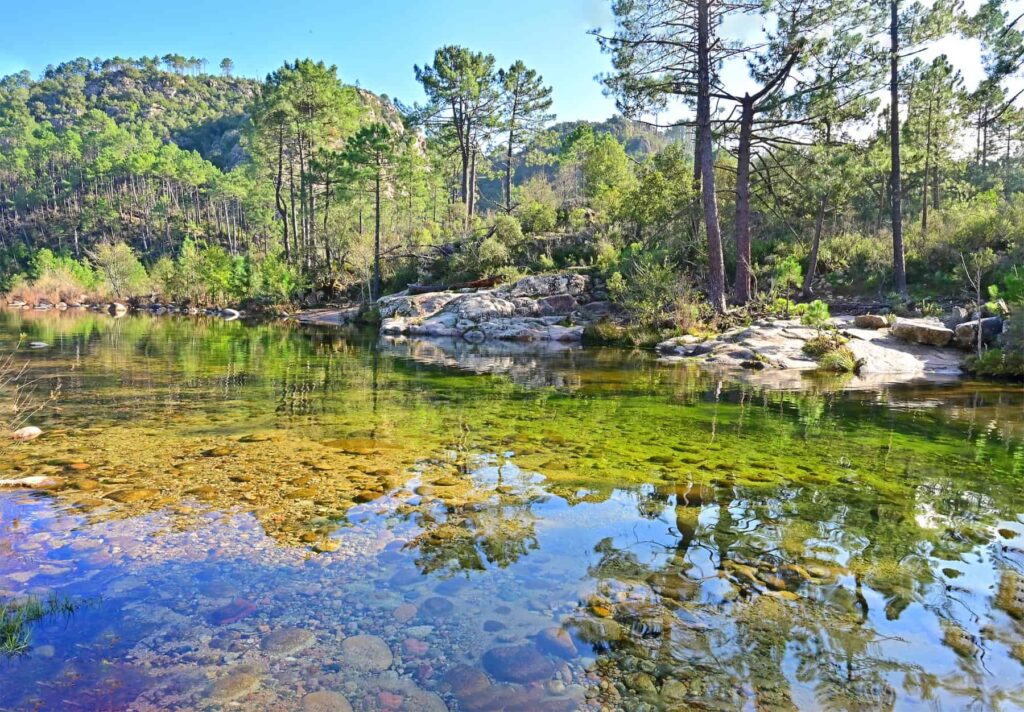
Pair beach days with day trips into Corsica’s rugged interior, where true adventure awaits. Soaring granite peaks over 2000 meters (Monte Cinto being the highest) lie just a short drive from the coast along supremely scenic roads with breathtaking views.
Inland, discover emerald natural pools and waterfalls perfect for a refreshing dip amid lush river heaven. High-altitude lakes like Lac de Bastani and Lac de Creno nestle amid ancient forests and verdant vegetation. In winter, with sufficient powder, snowshoe or ski under blue skies with views reaching the Mediterranean.
EPIC HIKES
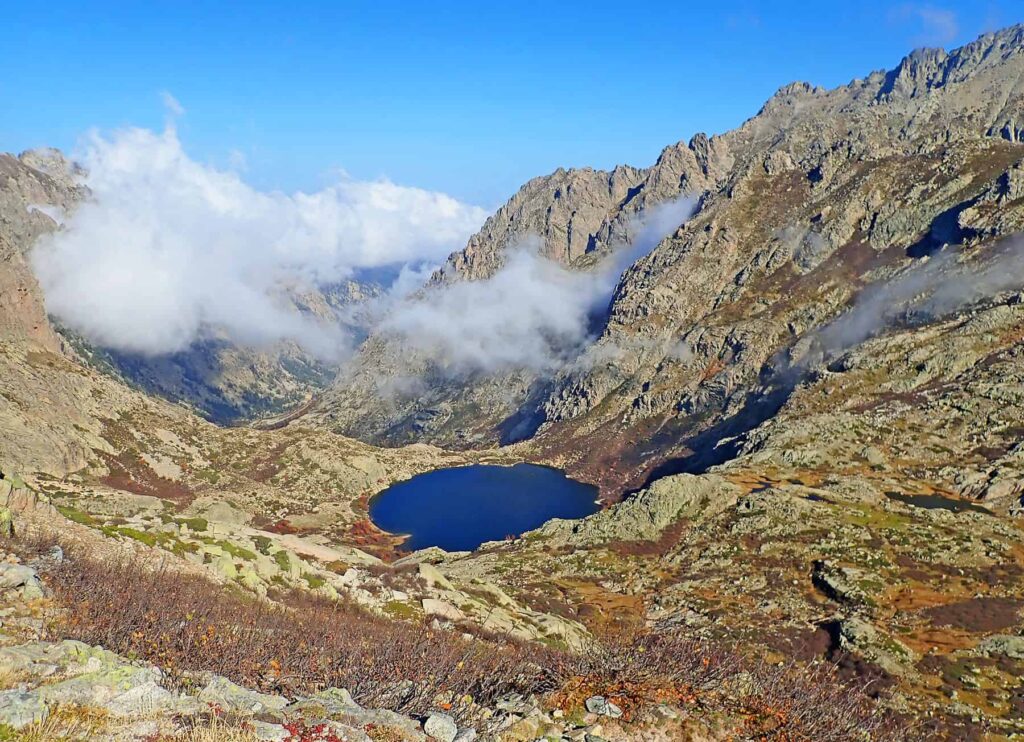
Corsica boasts some of the most beautiful hikes in Europe, including the cherished long-distance GR20. Trails suit all levels, from easy, family-friendly day escapades to challenging treks in the island’s most remote locations.
Outdoor enthusiasts particularly love the Lac de Melo and Lac de Capitello hike in Restonica Valley, the Nino Lake trail from the Verghio pass or forest paths around Bavella. The Sentier des Douaniers route along the Agriates attracts those who prefer coastal landscapes and easy access to crystalline seawater for swims.
Corsica has a well-established network of mountain refuges, primarily along the famous GR20 or Mare a Mare trails. They offer basic dorms, water, and meals in season.
REAL FOOD
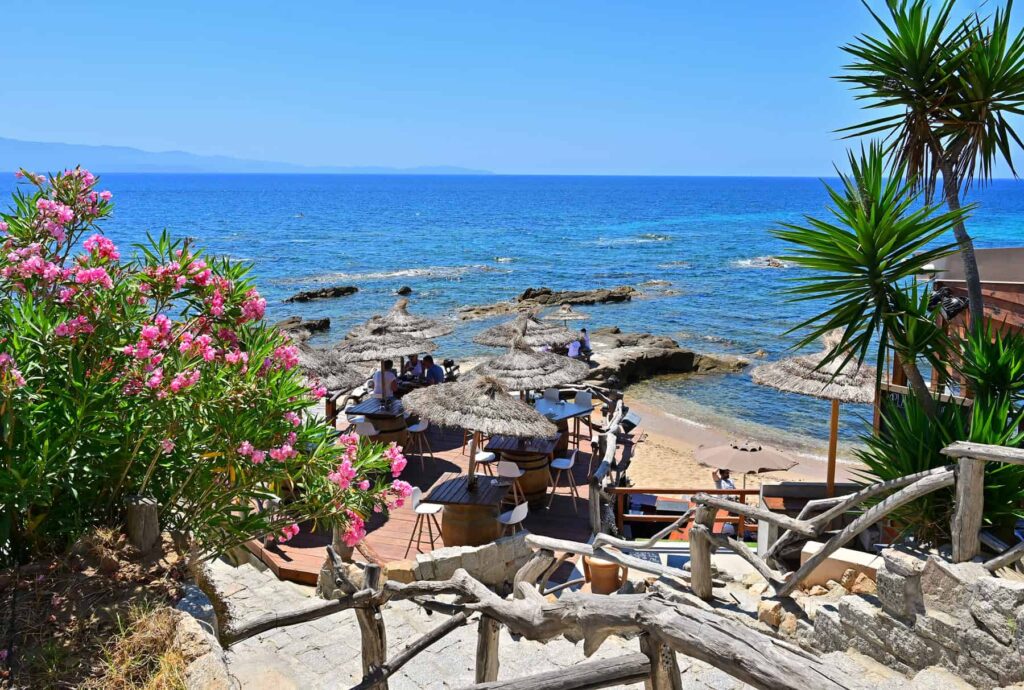
In Corsica, you won’t find international fusion cuisine or McDonald’s restaurants, but rather, you will have an opportunity to dive into authentic local gastronomy– from charcuterie and cheese to wines and seafood. French and Italian flavours shape this predominantly mountain cooking rooted in simple pastoral culture.
Dishes are rich in fresh local products, with wild boar, freshwater trout and fiadone, a brocciu-based dessert, on the menu. Olive oil, aromatic honey and juicy sun-soaked fruits abound. On the coast, freshly caught seafood and fish are paired with delicious Vermentinu whites and chestnut beer. Family-run restaurants serve homemade specialities crafted according to time-tested ancestral recipes. Foodies can also sample these mouthwatering delicacies on guided culinary tours.
AUTHENTIC CULTURE
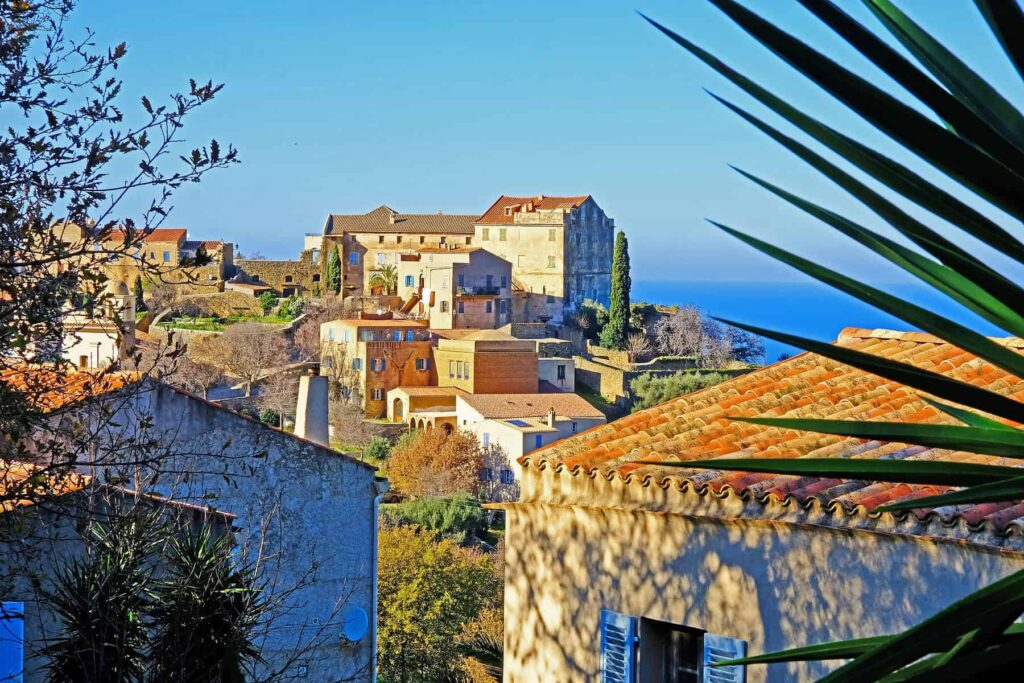
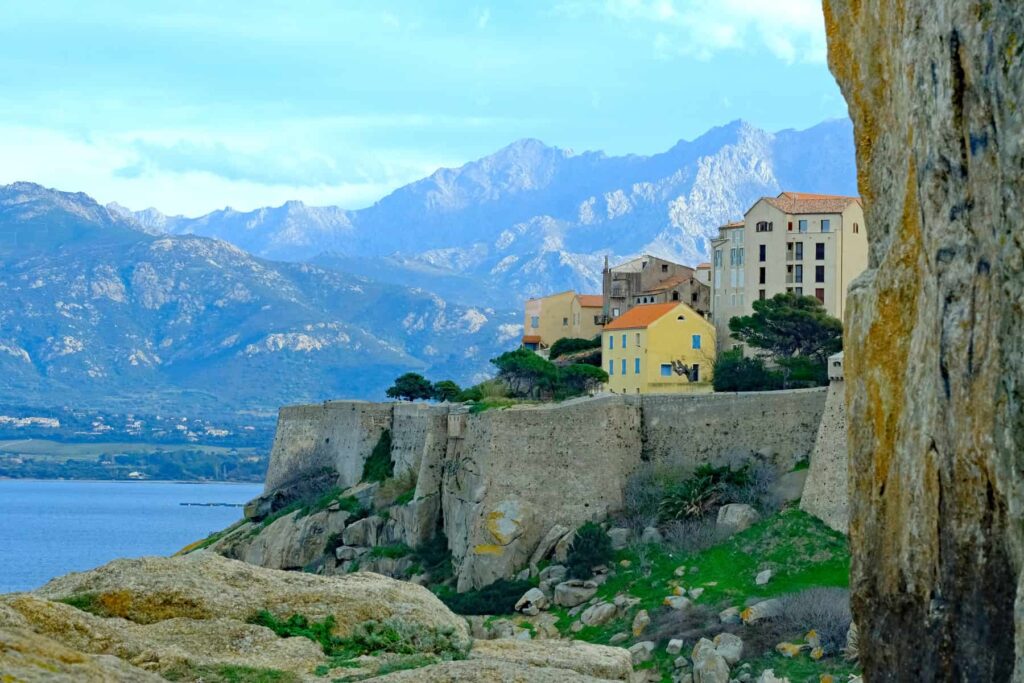
Corsica’s distinct culture is fascinating, setting it apart from mainland France. Rooted in a history of resistance against Pisan, Genoese, and even French rule, Corsicans fiercely cherish their identity through the Corsu language (revived and taught in schools), polyphonic singing, and the Moor’s Head flag.
Historic hero known as the Father of the Corsican Nation, Pasquale Paoli, endures in town squares, while stone villages host festivals celebrating artisanal cheese, wine, olive oil, and charcuterie, made according to old methods passed on by generations. Religious events, like Sartène’s silent penitent procession, call forth ancient rituals and traditions.
Today, locals continue to push for constitutional autonomy and an official Corsu language status to shape their future within France. This unyielding heritage infuses the island with palatable, authentic pride.
FAMILY-FRIENDLY VIBES FOR ALL AGES
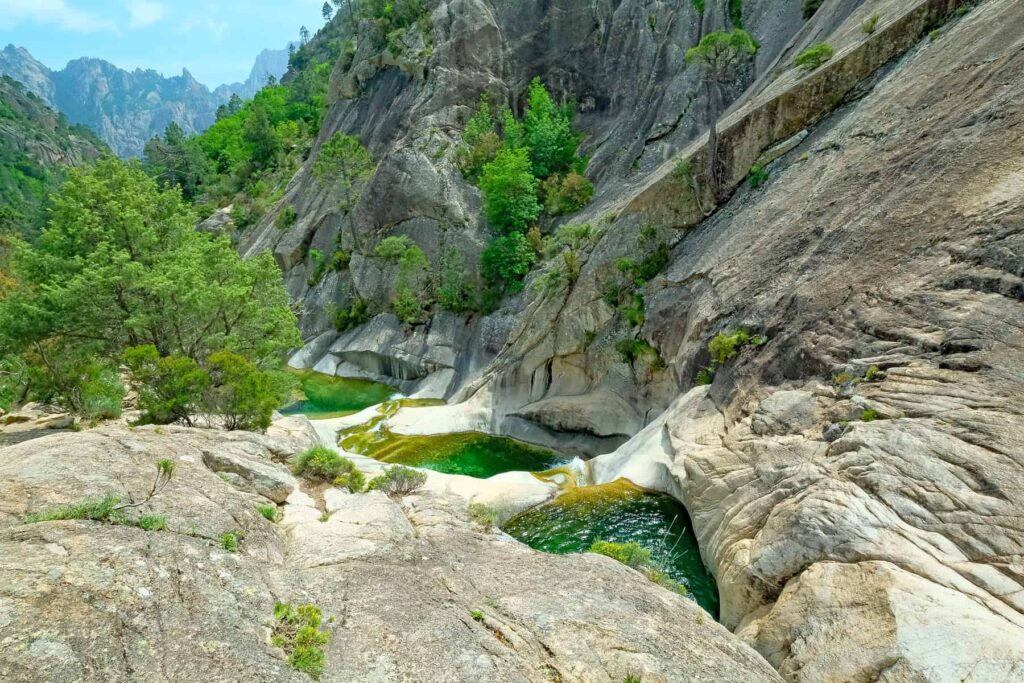
If regional conflicts derail your exotic family holiday, Corsica offers compelling European alternatives. Kids revel here in outdoor freedom across 200 sandy, accessible beaches ideal for watersports, snorkelling, or paddling. Inland, rivers create natural aqua parks with waterfalls and natural pools like Cavu, Cascade d’Aitone, Fango, or Restoinica, perfect for wild swimming. If you like adventure, try family canyoning in dramatic gorges for unforgettable memories.
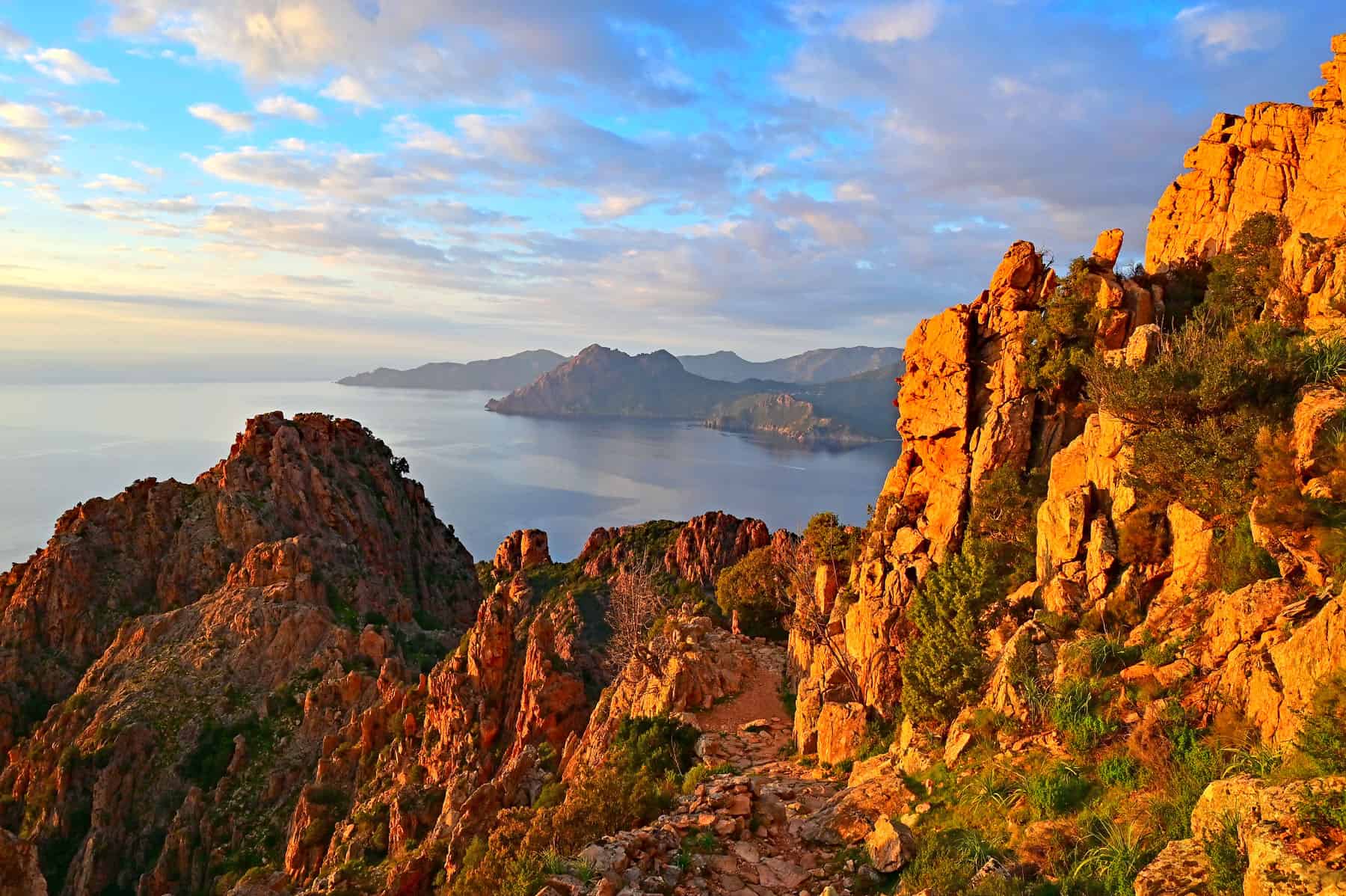
Teens love boat trips to Scandola, Calanches de Piana, and Iles Lavezzi, spotting rare wildlife and dolphins. Other pursuits include hiking, cycling, horse riding, or even paragliding. For educational breaks, explore Corsica’s prehistoric past at Aleria Museum or the famous Filitosa. You will find a full list of fun family-friendly activities in the guide to kids’ attractions in Corsica.
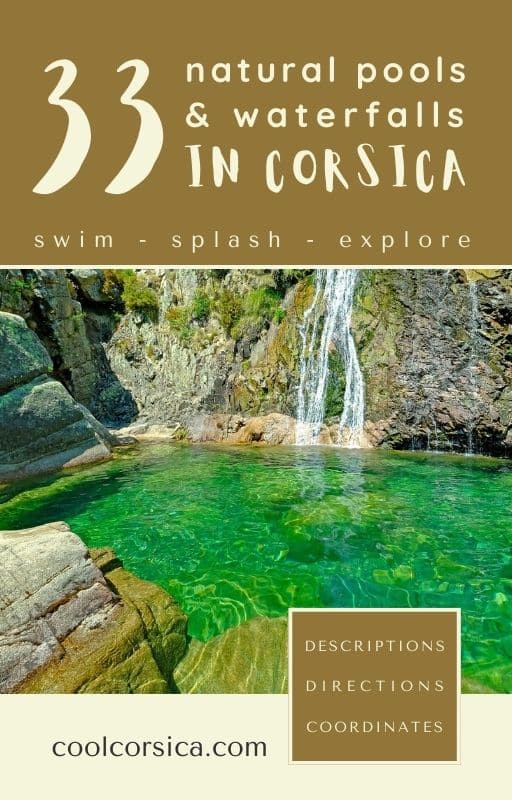
TRAVELLER’S COMPANION FOR A TRIP TO CORSICA – GRAB YOUR EBOOK!
33 Natural Pools and Waterfalls in Corsica
Descriptions – Directions – Coordinates
READ MORE
- Where to stay in Porto Vecchio – best hotels & areas for your Corsica trip
- 15 best beaches in Corsica for lovers of sea, sun and sand – the ultimate guide
- Corsica’s best beach hotels and top coastal locations
- Best places to stay in Corsica for couples
- Visiting Corsica – how to get there
- Where to stay in Corsica – best places and areas for your visit
- Best things to do in Ajaccio – the complete guide
- 16 stunning Bonifacio beaches you can’t miss
- Bonifacio travel guide – discover Corsica’s top destination
- Is Corsica an expensive travel destination – money guide for visitors
- Santa Giulia beach – paradise found in Corsica
- Is Corsica too hot in August? What to expect
- Top beaches of south-east Corsica
- Corsica – where to go and what to do
- Porto Vecchio travel guide – everything you need to know
- 11 Charming Corsican villages that will steal your heart
- 25 Instagram-worthy places in Corsica for stunning photos
- 7 Magical waterfalls in Corsica every nature lover should see
- Route de Bavella – the most beautiful mountain drive in Corsica
- 11 Best beaches in Ajaccio – top spots to swim and relax in Corsica’s capital
PLANNING A TRIP TO CORSICA? CHECK OUT THESE RESOURCES!
Liability Disclaimer
All outdoor activities are carried out at your own risk. Always plan ahead and be cautious when preparing for your adventures. The author of this blog cannot be held responsible in the event of an accident, death, loss, personal injury, or any other inconvenience or damage that may be sustained by anyone as a result of the use of any information contained on this website.